

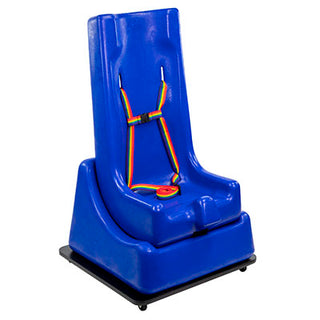
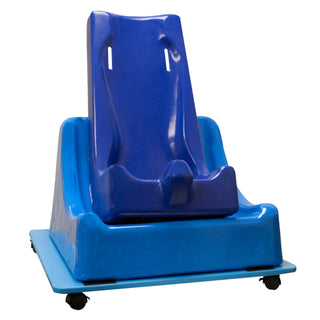
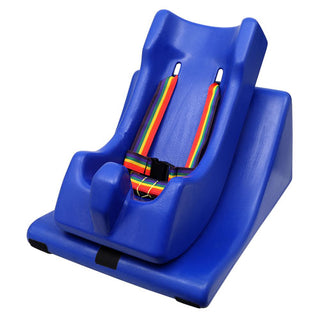
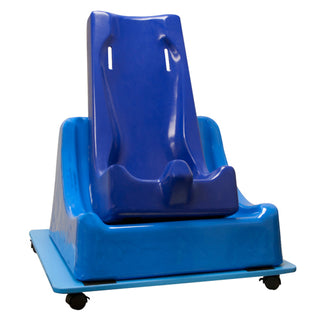
Pediatric Seating & Positioning Systems: Special Needs Seating & Chairs
Proper seating is basic to the development, social interaction, and daily comfort of a child. Our collection of Pediatric Seating & Positioning Systems presents a comprehensive range of adaptive equipment designed to support children with mild to complex physical challenges. Be it in the classroom, therapy clinics, or at home, these specialized solutions promote proper anatomical alignment, enhance functional ability, and encourage inclusion in daily activities.
We partner with industry-leading manufacturers to provide safe, durable, and adjustable seating solutions tailored for children diagnosed with conditions such as Cerebral Palsy, Spina Bifida, Muscular Dystrophy, and Hypotonia.
Categories of Adaptive Seating & Their Benefits:
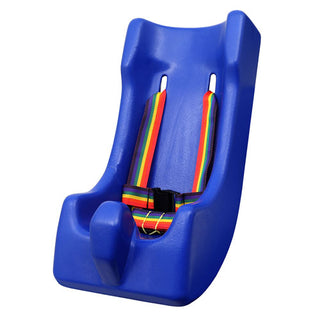
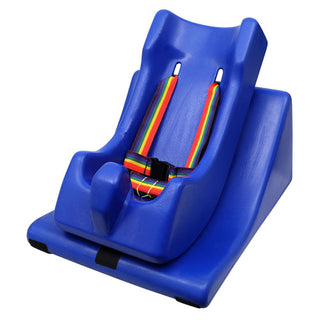
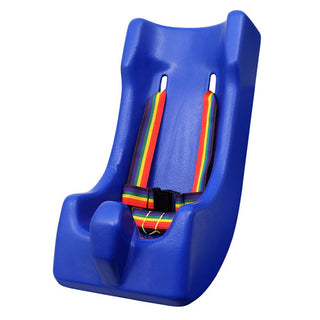
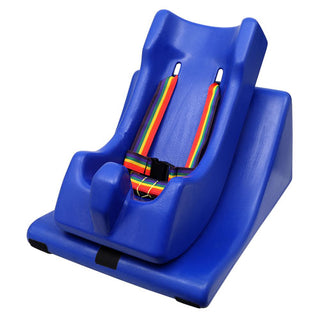
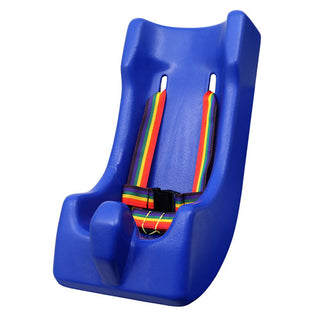
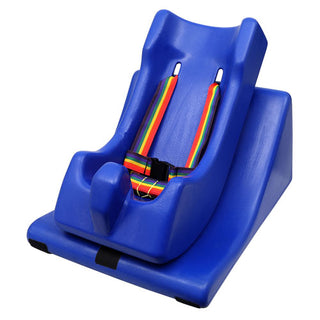
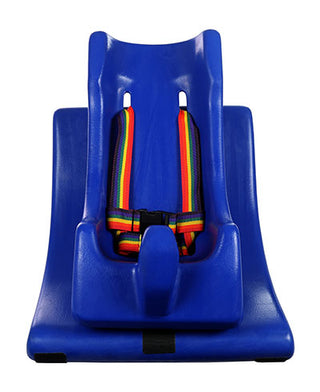
- Floor Sitters & Positioning Seats: Designed for early intervention, these seats allow children to engage with peers at eye level during circle time or play. They provide essential trunk support while freeing up the hands for exploration and fine motor development.
- Activity & Classroom Chairs: Fully adjustable chairs, many times featuring hi-low bases that position children appropriately at desks or tables. These are critical for inclusion in school environments, providing tilt-in-space and postural supports to minimize fatigue.
- Corner Chairs: These are useful for children whose ability to sit upright requires some external support. The V-shaped backrest assists in shoulder retraction, thus lengthening the trunk and aiding easier breathing and control of the head.
- Feeder Seats: Designed to be lightweight and portable, these seats offer a safe and comfortable position for feeding or resting; many incorporate antimicrobial materials that can be easily cleaned.
- Bolster Chairs: These help in breaking up extensor tone and promoting hip flexion, thus assisting children in maintaining a seated position without sliding forward.
Key Features to Look For:
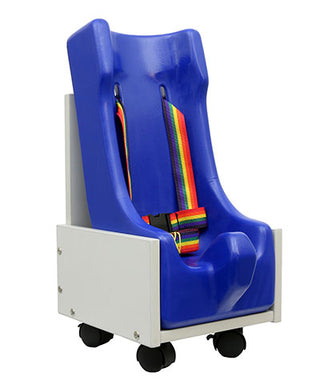
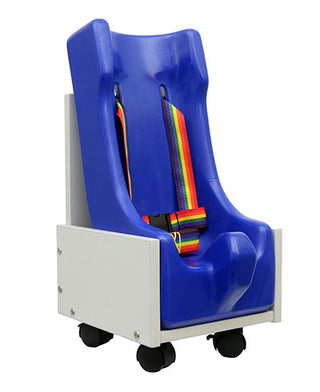
- Custom Support: Most systems feature adjustable abductors, lateral supports, headrests, and harnesses that grow with the child, be those 3-point or 5-point.
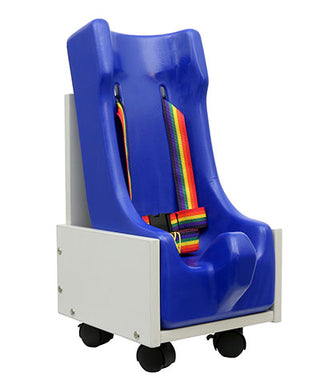
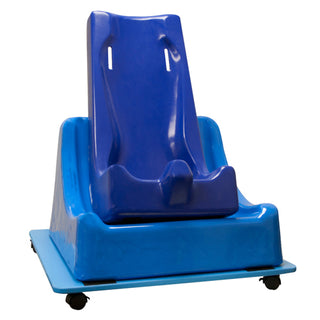
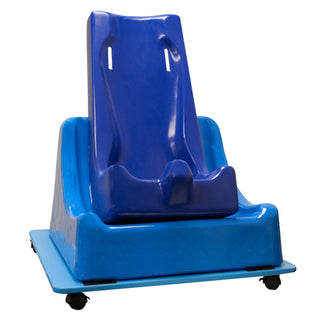
- Mobility Bases: Many seating systems can be attached to mobile bases that allow easy transport from room to room without removing the child from the seat.
- Therapeutic Materials: These are made from latex-free, seamless, fluid-resistant materials (such as Tumble Forms), soft against sensitive skin yet tough for daily heavy use.
- Ergonomic Design: It focuses on pelvic stability and foot loading, which are the principles of good posture and focus.
Browse our specially selected range of special needs chairs, positioning wedges, and adaptive seating aids to find just the right solution to support your child's unique potential and comfort.