


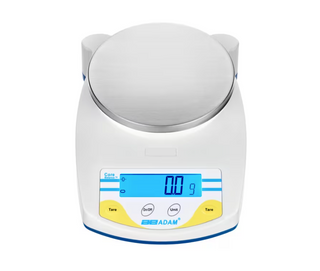
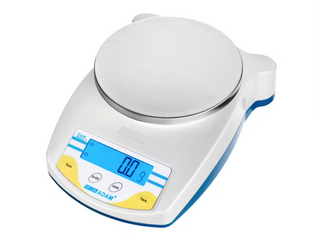
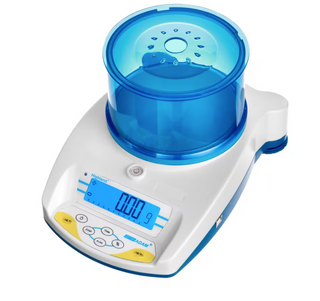
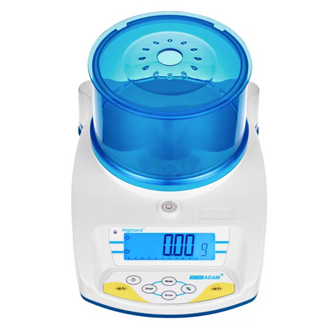
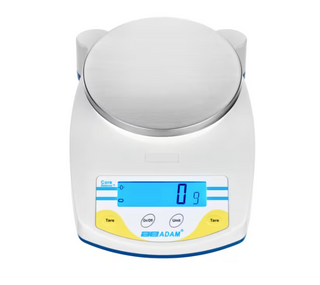
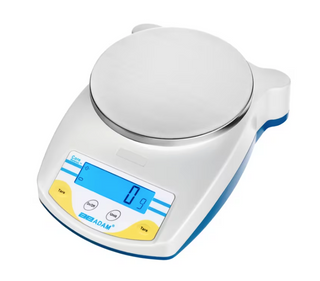
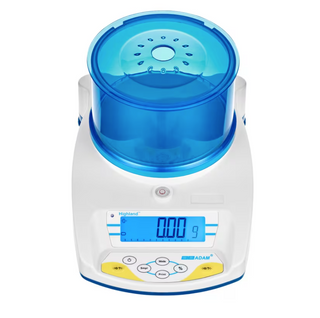
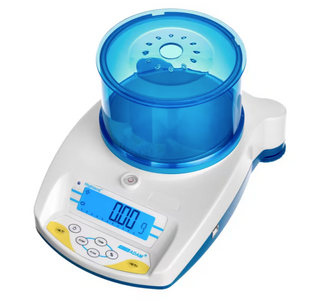
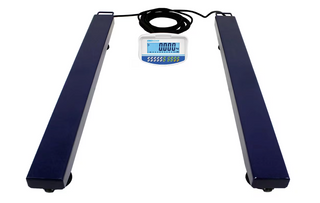
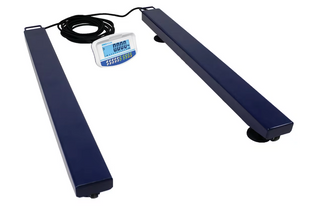
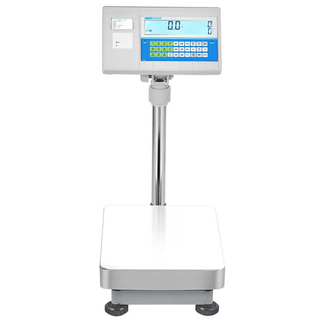
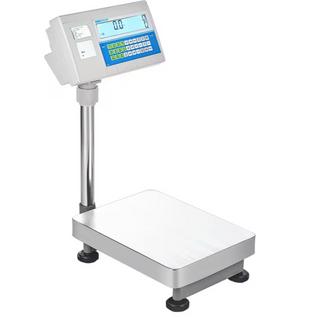


Accurate, precise, and reliable measurements form the basis of any scientific, clinical, industrial, and educational laboratory in the world. When you carry out chemical studies, pharmaceutical product preparation, bioanalysis, or even industrial product quality assessment, the ideal balance is imperative.
US Laboratory Balances & Scales: Analytical, Precision & Micro on Medidepot is a category that offers an expansive selection of professional balancing apparatus, meeting the requirements of cutting-edge science and related industries.
This broad category includes all the varied balances like analytical balances, precision balances, microbalances, moisture analyzers, top loading scales, portable balances, compact balances, calibration weights, etc. They offer the best product in terms of accuracy, reliability, and performance in many demanding laboratory applications.
The different sections that follow give detailed information about the types of products, standard features, benefits, applications, and selection of lab balances.
Types of Laboratory Balances & Scales
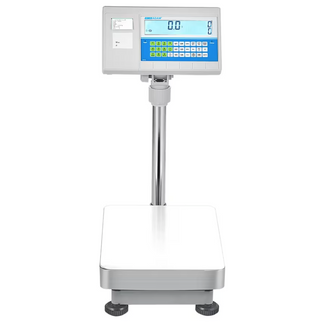
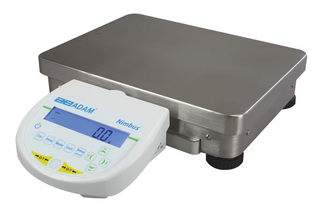
1. Analytical Balances
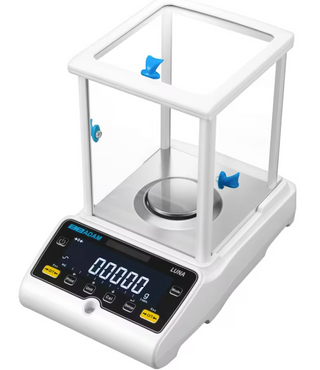
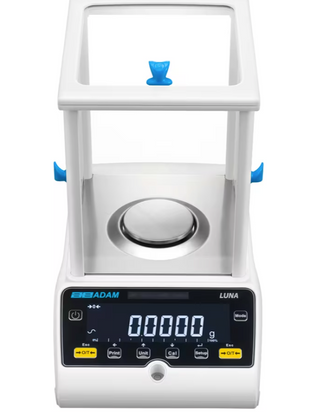
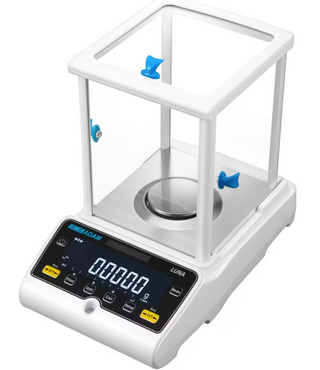
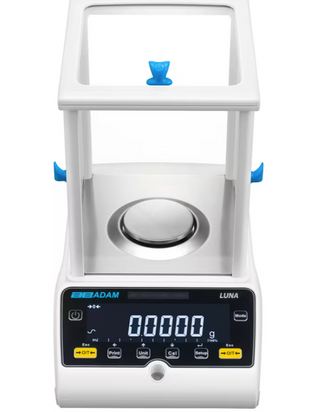
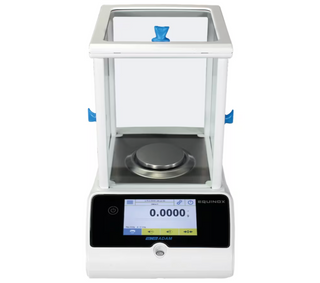
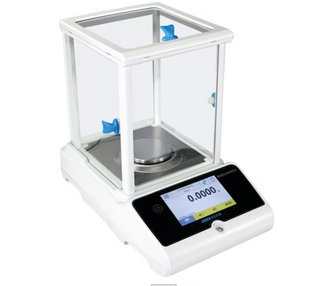
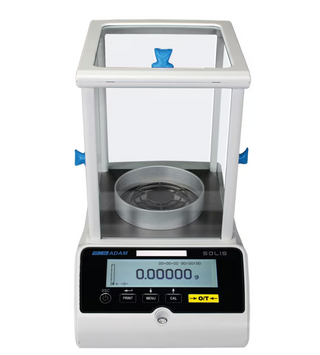
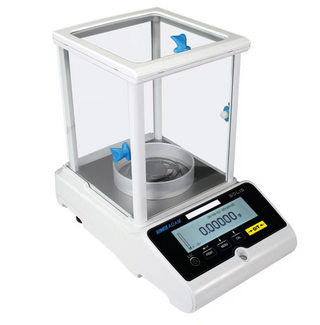
Analytical balances are a necessity in any laboratory where precision is of utmost importance. The analytical balance is also important as it has the capability of measuring items which fall within the range of 0.1 mg to 0.01 mg, thus being very important in handling matters such as powders, chemicals, and samples in general.
Some of the common features that can be expected in good analytical balances include:
-
Enclosed draft shields to eliminate the influence of air currents
-
High-resolution digital displays for clear readability
-
Internal or external calibration options
-
Stainless steel weighing pans for durability
-
Advanced filtering systems to stabilize readings
-
RS232, USB, or Wi-Fi connectivity for data transfer
Analytical balances are commonly used in chemical labs, pharmaceutical preparations, research institutions, and environmental monitoring.
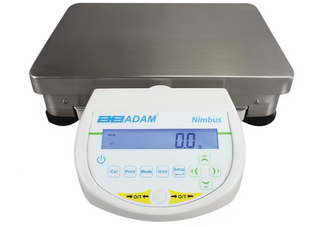
2. Precision Balances
Precision balances are precise, accurate, and can handle large sample sizes, as analytical equipment cannot. These balances usually read from 1 mg up to 0.1 g. They are used for:
-
Routine lab work
-
Sample preparations
-
Industrial quality control
-
Research and development
-
Food testing and formulation
Precision balances often include:
-
Larger weighing platforms to accommodate a wide range of materials
-
Fast stabilization times for efficient lab workflows
-
Built-in overload protection
-
Multiple weighing modes, such as parts counting, percentage weighing, density calculation, and check weighing
-
Advanced internal calibration systems
These balances provide a unique combination of speed, capacity, and accuracy.
3. Microbalances
Ultra sensitive equipment acquired for purposes needing precision with a scale of 0.001 mg or better. Such balances are especially useful in:
-
Pharmaceutical R&D
-
Chemical analysis
-
Environmental micro-sample testing
-
Nanotechnology and material science
-
Advanced academic research
Key features typically include:
-
Highly sensitive weighing cells
-
Anti-vibration construction
-
Climate-controlled enclosures
-
Automatic internal calibration
-
Advanced stability algorithms
Microbalances are also precise, a feature which makes microquantitative research important.
4. Moisture Analyzers
Moisture analyzers are special types of scales designed to measure the moisture content of a sample of material by dry-heat methods. They are often essential for:
-
Food laboratories
-
Pharmaceutical manufacturing
-
Agricultural testing
-
Quality control environments
Common features include:
-
Halogen or infrared heating units
-
Fast drying times
-
High-resolution moisture readouts
-
Graphical displays showing drying progress
-
Programmable heating profiles
Moisture analyzers help maintain consistency in the evaluation of moisture, which is important in product performance and longevity.
5. Top-Loading Balances
Top-loading balances are mainly recommended for laboratories that require medium precision along with greater capacity. These balances are generally used for:
-
Chemical batching
-
Sample mixing
-
General lab measurements
-
Industrial processes
-
Educational labs
Features usually include:
-
Robust construction
-
Large weighing pans
-
Easy-to-clean surfaces
-
Fast stabilization
-
Multiple application modes
They essentially work as a practical and flexible choice within spaces meant for daily application and utility.
6. Compact & Portable Balances
Compact balances provide convenience, portability, and ease of use. They are generally employed in:
-
Field testing
-
Educational settings
-
Portable lab environments
-
Quick-check weighing tasks
Typical features include:
-
Lightweight, durable designs
-
Battery or AC operation
-
Shock-absorbing housing
-
Simple user interface
Although small in size, these compact balances offer satisfactory accuracy for general laboratory applications.
7. Mechanical Balances & Triple Beam Scales
Although the electronic balance has become the mainstream in modern science, mechanical balances are favored in some environments, especially because of their reliability over the long term and maintenance-free operation. They can be found in:
-
Educational institutions
-
Field labs without electricity
-
Long-term weight verification tasks
Features often include:
-
Sturdy metal construction
-
Magnetic damping to stabilize movement
-
High weight capacities
-
Zero-adjustment knobs
They offer reliable operation in situations where the use of electronics is impractical.
8. Calibration Weights & Accessories
However, appropriate balance performance requires timeliness of calibration, most specifically in controlled environments. Calibration weights of this category are:
-
Class F1, F2, and ASTM-certified weights
-
Stainless steel construction
-
Weight sets with individual cases
-
Tweezers and gloves to prevent contamination
Draft shields, anti-vibration tables, protective covers, etc., may also be included in this category.
Common Features Found in Laboratory Balances & Scales
Even though each model differs depending on the intended use, most professional laboratory balances share some basic features, including:
High-Precision Sensor Technology
Modern balance instruments use sophisticated load cell or electromagnetic force restoration (EFR) systems, providing quick, accurate, and stable responses.
User-Friendly Interface
Large backlit displays, intuitive menus, and responsive control buttons make it easy to use in harsh lab environments.
Internal Calibration Systems
Many scales feature an auto-calibration feature that adjusts sensitivity in relation to temperature changes, helping the scale to remain accurate throughout the day.
Multiple Weighing Modes
Most professional lab balances support:
-
Parts counting
-
Percentage weighing
-
Formulation
-
Density determination
-
Check weighing
-
Peak hold
This versatility enhances productivity and flexibility.
Connectivity & Data Integration
Today, laboratories use electronic record-keeping and compliance records. Many balances have:
-
RS232 ports
-
USB outputs
-
Wi-Fi or Bluetooth
-
Data logging
-
GLP/GMP compatibility
These features make it easier to transfer results to laboratory information systems.
High Durability & Chemical Resistance
Since labs use chemicals, powders, and biological materials, balances may include:
-
Stainless steel pans
-
Chemical-resistant housings
-
Easy-clean surfaces
-
Overload protection
These design elements prolong equipment lifespan.
Applications Across Industries
Laboratory balances have an important place in a wide range of technical, scientific, and industrial settings, including:
1. Scientific Research
Used in chemical, biological, environmental, and material science studies for weighing reagents, samples, and microquantities.
2. Medical & Clinical Laboratories
Essential in the preparation of patient samples, measurement of reagents, and diagnostic procedures.
3. Pharmaceutical Development & Manufacturing
Critical for compounding, formulation development, batch preparation, quality control, etc.
4. Food & Beverage Industry
Used for the analysis of moisture content, the formulation of ingredients, and evaluations of nutritional quality.
5. Environmental Testing
Supports soil analysis, air particulate measurement, and water quality testing.
6. Education & Training
Classrooms, universities, and teaching labs require precise yet rugged scales for the training of the next generation of scientists.
7. Industrial Quality Control
Used in material inspection, parts counting, and compliance with specifications in manufacturing.
Benefits of High-Quality Laboratory Balances
Precision & Repeatability
High-quality balances provide reliable, repeatable measurements that support scientific integrity and operational accuracy.
Improved Efficiency
Fast stabilization times and intuitive interfaces make workflows smooth and seamless.
Regulatory Compliance
Many of the balances support GLP/GMP documentation and fulfill international regulations concerning calibration and performance.
Data Traceability
This is especially important because digital connectivity assures readability for audits and scientific reporting.
Long-Term Durability
Featuring robust construction and chemical-resistant components, professional balances support high volumes of constant use.
How to Choose the Right Laboratory Balance
When selecting a balance, consider the following:
1. Required Readability & Accuracy
Match the balance’s resolution to your application:
-
Micro: 0.001 mg
-
Analytical: 0.1–0.01 mg
-
Precision: 1 mg–0.1 g
-
Top-loading: general lab use
2. Sample Size & Capacity
Ensure the balance can support the expected weight range.
3. Environmental Conditions
Ultra-sensitive balances require:
-
Minimal vibration
-
Controlled airflow
-
Stable temperature
4. Connectivity Needs
If your lab uses software or digital logs, choose a model with the necessary output ports.
5. Calibration Options
Internal calibration saves time and ensures greater accuracy.
6. Ease of Use
Look for intuitive controls, clear displays, and features that enhance user experience.
Why Choose Laboratory Balances from Medidepot
The Laboratory Balances & Scales: Analytical, Precision & Micro US selection at Medidepot has been tailored to serve professional laboratories catering to the healthcare, scientific, education, manufacturing, and industrial sectors. Here are some of the expectations from them:
-
High-performance instruments
-
Reliable accuracy
-
Long-term durability
-
Excellent value
-
Models suitable for both basic and advanced applications
Whether your lab requires ultra-sensitive micro weighing or rugged precision balances for daily use, this category offers solutions built to deliver dependable performance.
Frequently Asked Questions
Q: What is the difference between an analytical balance and a precision balance?
A: Analytical balances offer higher readability, typically to 0.0001 g, and are used for sensitive lab work, while precision balances measure to 0.01 g or 0.001 g and suit general lab weighing tasks.
Q: Why do laboratory balances need internal calibration?
A: Internal calibration automatically adjusts the balance using a built-in reference weight, maintaining measurement accuracy over time without requiring manual recalibration.
Q: Can moisture analyzers replace standard balances?
A: Moisture analyzers are specialized instruments that combine a precision balance with a heating unit to measure moisture content, and are not intended to replace general-purpose balances for routine weighing.
Q: What factors affect balance accuracy in daily use?
A: Vibration, air currents, temperature fluctuations, and an uneven surface can all affect balance accuracy, so balances should be placed on a stable, level, draft-free surface.
Q: Do laboratory balances require regular maintenance?
A: Yes, routine cleaning, periodic calibration checks, and proper handling of calibration weights help ensure consistent accuracy and extend the instrument's service life.