



On-Site Drug Neutralization, Biohazard Bags and Sharps Disposal
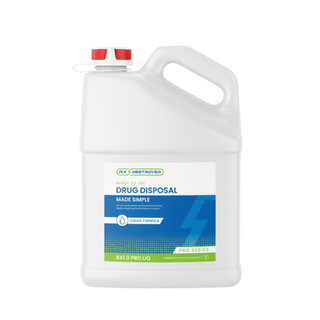
Three waste streams leave a clinical setting and they are handled separately: pharmaceutical waste, biohazard waste and sharps. This collection is built around the Rx Destroyer pharmaceutical waste system, which neutralises drugs on site, alongside Bowtie autoclave biohazard bags, Dynarex disposal accessories and a Frost stainless steel sharps unit.
Pharmaceutical waste is the stream most often handled incorrectly, and the reason is that the obvious options are all wrong. It generally cannot go down a drain, because it enters the water system. It generally cannot go into a sharps container, because that stream has a different destination and different handling. And leaving unused controlled substances in a bin creates a diversion opportunity, which is a separate problem from disposal.
On-site neutralisation addresses disposal and diversion at the same moment: the drug is rendered unrecoverable at the point of waste, in the room where it was going to be discarded anyway.
→ Part of Sharps & Waste. Also see PPE & Infection Control, Instrument Cleaning and Cabinets & Casework for secure drug storage.
All Purpose or Liquids: Choosing the Rx Destroyer Formula
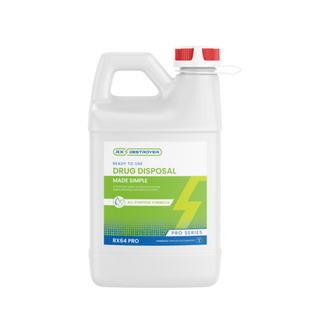
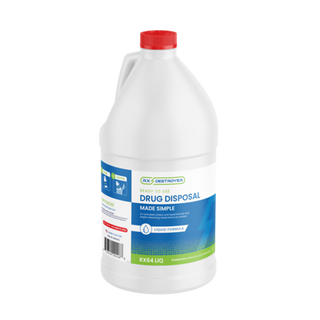
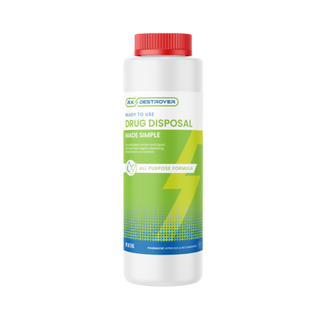
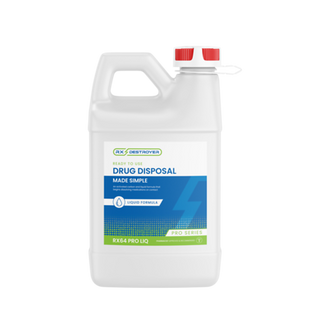
Rx Destroyer comes in two formulations, and the choice is determined by what you actually discard rather than by volume.
| Formula | For | Notes |
|---|---|---|
| All Purpose | Tablets, capsules, patches, general solid dosage forms | The default for most outpatient and clinic settings |
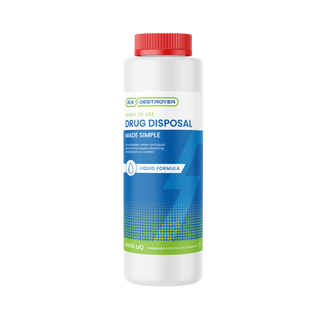
| Liquids | Liquid drug waste, injectables, syrups | Supplied with hardener packets to solidify the liquid volume |
The hardener packets in the Liquids range matter practically. A container of free liquid waste is a spill risk in transit and a handling problem at every stage after the room it was filled in. Solidifying it converts the contents into something that stays where it is put.
Size range
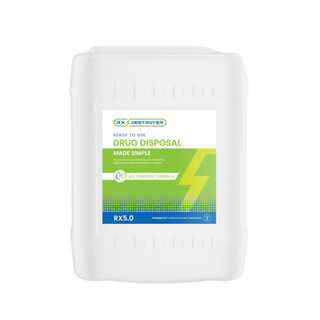
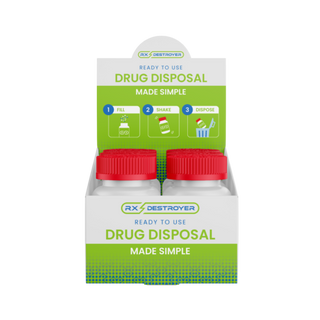
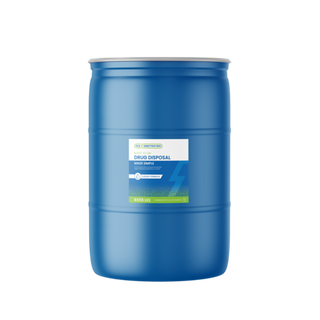
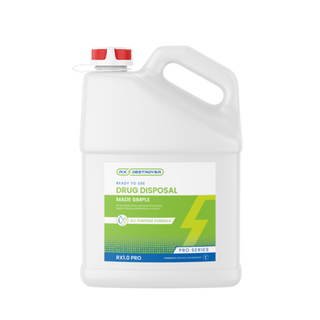
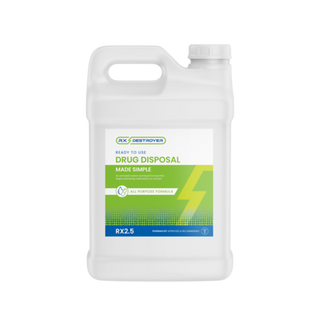
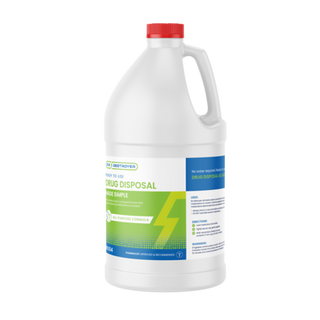
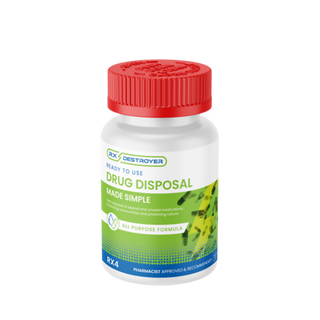
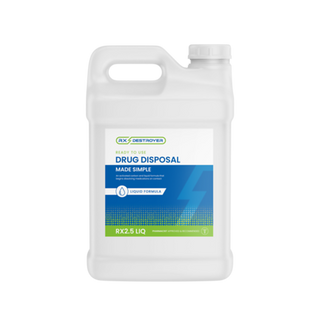
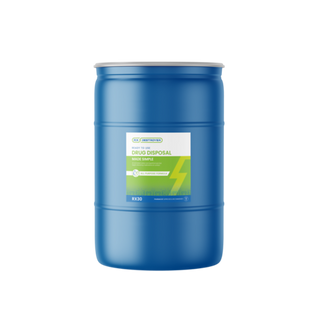
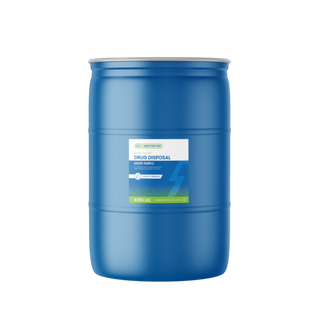
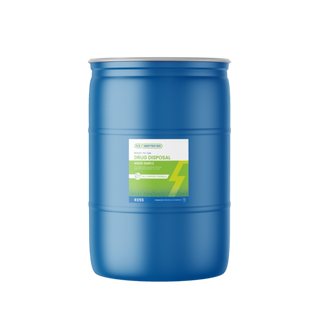
All Purpose bottles run from the 4 oz mail-back bottle and 4 oz pop bottles in cases of 12, through 16 oz, 64 oz and 1 gallon Pro Series, up to the 2.5 gallon bottle and drums at 30 gallon and 55 gallon.
Liquids versions cover the same range: 16 oz in cases of 12, 64 oz with hardener packets, 64 oz mail-back, 1 gallon Pro Series, 2.5 gallon mail-back, and drums at 30 gallon and 55 gallon.
Mail-Back or Not?
Mail-back versions include the return pathway, so the filled container is shipped for final disposal rather than requiring a separate waste contract or collection arrangement. That matters for smaller practices, where the volume does not justify a scheduled hazardous waste pickup but the waste still has to go somewhere legitimate.
Non-mail-back versions suit facilities that already have a hazardous or pharmaceutical waste contract, where the container joins an existing stream. The drums at 30 and 55 gallon are for volume operations where the collection arrangement is already in place.
Mail-back options in the range include the 64 oz Pro Series and the 64 oz Pro Series Liquids with hardener packets.
Security: Lock Boxes, Wall Mounts and Cables
A waste container holding controlled substances is a diversion target until the drugs are neutralised, and for the period a bottle sits partly filled in a room, security is a live requirement rather than a precaution.
Lock boxes
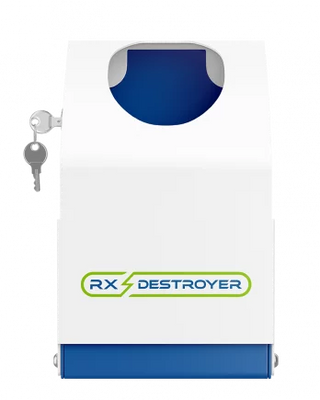
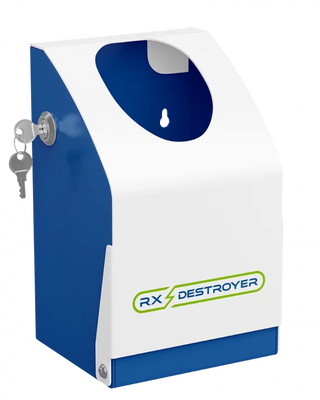
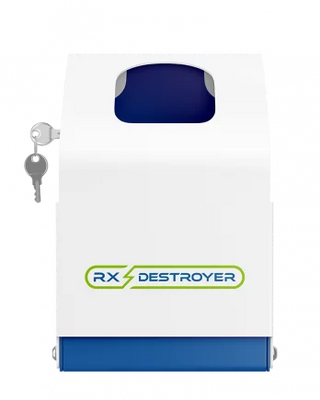
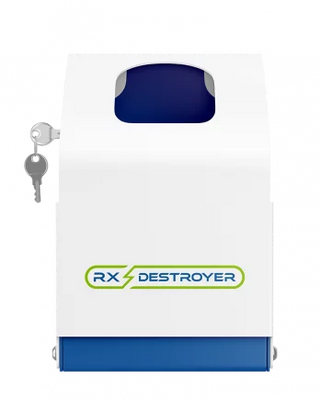
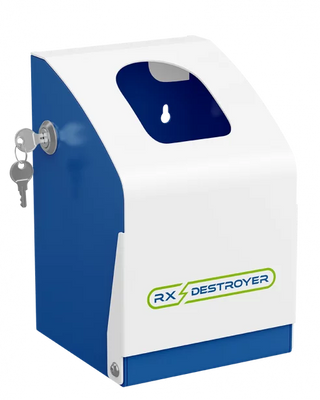
Lock boxes enclose the bottle so material can be deposited but not retrieved: the 16 oz bottle lock box, the 64 oz lock box, the 64 oz Pro Series lock box and the 1 gallon bottle lock box.
Wall mounting
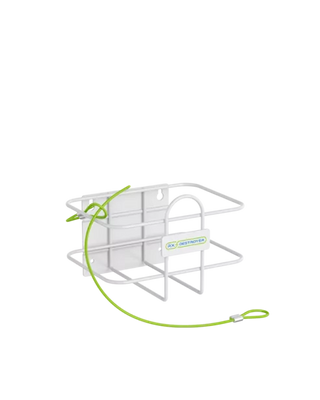
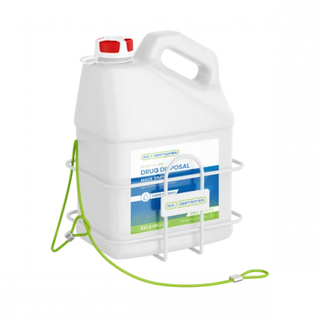
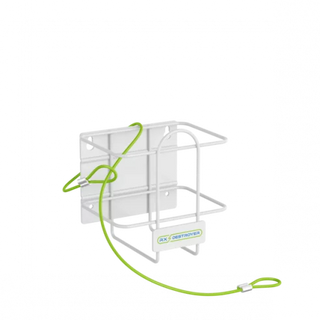
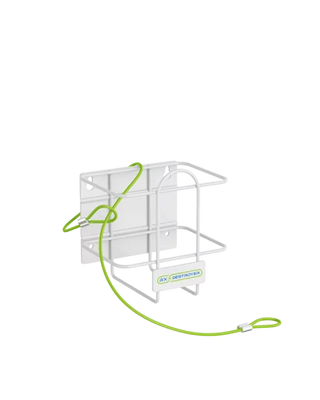
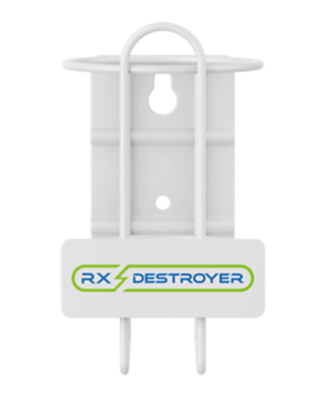
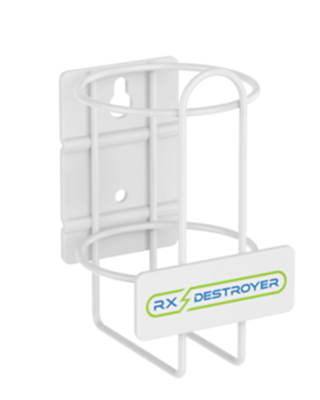
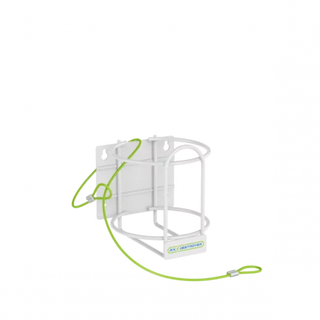
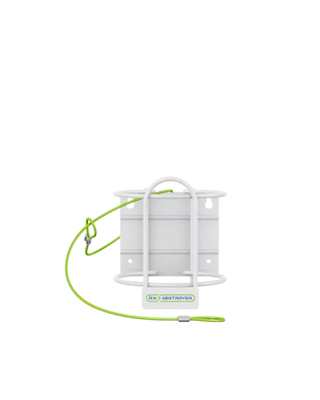
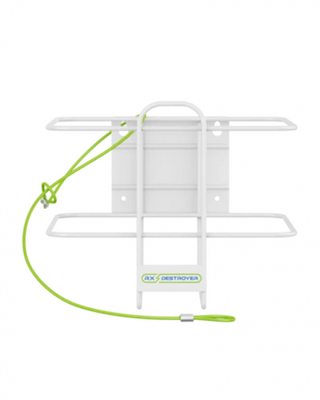
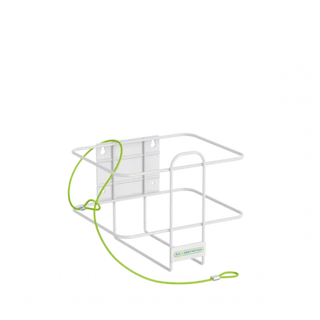
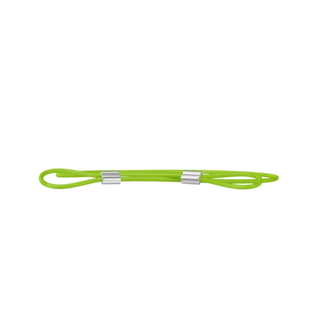
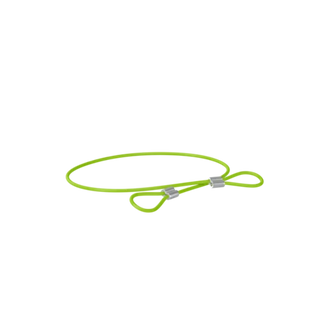
A bottle fixed to the wall cannot be carried away, and it also cannot be knocked over, which is the more mundane daily benefit. Options: the 16 oz bottle mount, the 1 gallon bottle mount, the 64 oz bottle mount, the 64 oz Pro Series mount and the 2.5 gallon bottle mount. The bottle mount security cable adds a further physical restraint.
Starter Kits
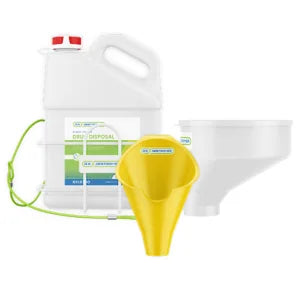
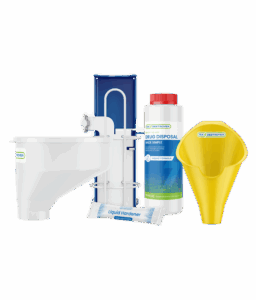
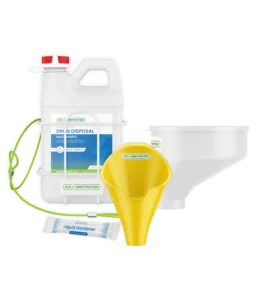
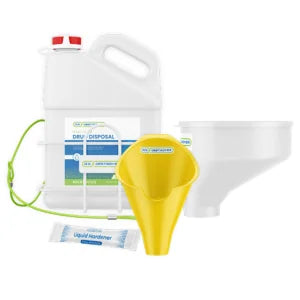
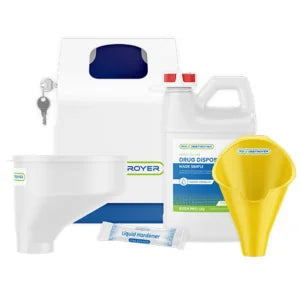
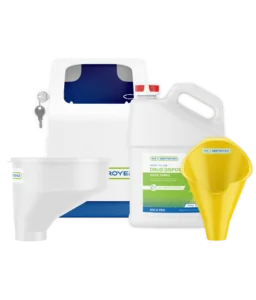
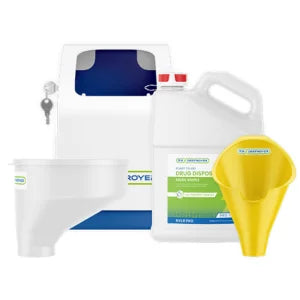
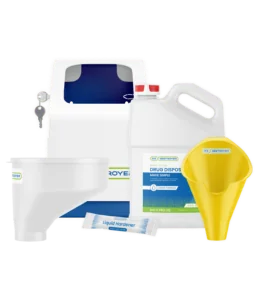
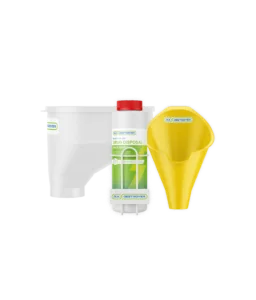
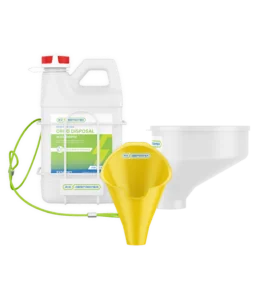
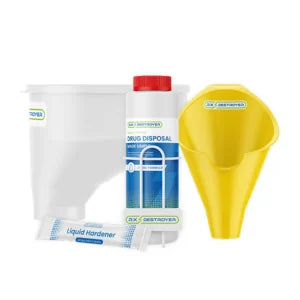
Starter kits bundle the bottle, the mounting or lock box and the funnel, which is the practical way to set up a station without discovering afterwards that a component is missing.
Wall-mount kits: the 16 oz all purpose, the 16 oz liquid, the 1 gallon all purpose, the 1 gallon liquid, the 64 oz all purpose Pro and the 64 oz Pro liquid.
Lock box kits: the 16 oz liquid lock box kit, the 16 oz liquid variant and the 64 oz Pro liquid lock box kit. Full bundles including funnel and lock box are available as the 1 gallon Pro all purpose set, the 1 gallon Pro liquid set with hardener and the 64 oz Pro set.
Biohazard Bags, Sharps and Mortuary Supplies
Autoclave biohazard bags are red drawstring bags rated to survive a steam cycle, so contaminated waste can be sterilised before it leaves the building where that is required. A standard bin liner melts and fails in an autoclave, which is why the rating matters rather than the colour.
Sizes: Bowtie A8001R at 25 x 35 inches and A8003R at 33 x 41 inches, with a biohazard bag box to hold and dispense them at the point of use.
For sharps, the Frost 878 stainless steel biomedical sharps disposal unit. Spill handling: the Dynarex DynaSafety biohazard scoop and scraper, single use and disposable, which keeps the tool from becoming a second contamination problem after the spill is cleared. Mortuary: Dynarex Code Blue Care heavy duty post-mortem bags with handles.
Frequently Asked Questions
Why can pharmaceutical waste not go into a sharps container or down a drain?
Drain disposal puts pharmaceuticals into the water system. A sharps container is a different waste stream with a different destination and different handling, so mixing the two creates a compliance problem for both. Pharmaceutical waste requirements depend on the drug class, your state rules and federal regulation, and your pharmacy or regulatory function should confirm what applies to your practice.
What does an on-site drug neutralization system do?
It renders drugs unrecoverable at the point of waste, in the room where they were going to be discarded. That addresses two problems at once: disposal, because the container then enters a defined waste pathway, and diversion, because the drug cannot be retrieved from the container once deposited. Leaving unused controlled substances in an ordinary bin creates a diversion opportunity that disposal arrangements alone do not close.
Should I choose the All Purpose or Liquids formula?
All Purpose covers tablets, capsules, patches and general solid dosage forms, which is the default for most clinic and outpatient settings. Liquids is for liquid drug waste, injectables and syrups, and it is supplied with hardener packets that solidify the liquid volume. A practice discarding both usually runs a container of each rather than trying to make one cover everything.
Why do the liquid systems include hardener packets?
Because a container of free liquid waste is a spill risk in transit and a handling problem at every stage after the room it was filled in. Solidifying the contents converts it into something that stays where it is put, which simplifies transport and reduces the consequence of a dropped or tipped container.
What is the difference between mail-back and standard containers?
Mail-back versions include the return pathway, so the filled container is shipped for final disposal without a separate waste contract. That suits smaller practices whose volume does not justify a scheduled hazardous waste collection but who still need a legitimate destination. Standard containers suit facilities with an existing pharmaceutical or hazardous waste contract, where the container joins a stream already in place.
What size container should I choose?
Size to the volume you generate between disposal cycles rather than to available space. The range runs from 4 oz bottles for a single treatment room through 64 oz and gallon sizes for a busy practice, up to 30 and 55 gallon drums for volume operations. Many facilities run several small containers at points of use rather than one large one, since a container across the building gets bypassed.
Why do these containers need lock boxes and wall mounts?
A container holding controlled substance waste is a diversion target for the period it sits partly filled in a room. A lock box allows material to be deposited but not retrieved. A wall mount stops the container being carried away and, more mundanely, stops it being knocked over. Security cables add a further physical restraint where required. What your setting requires is set by policy rather than preference.
What does a starter kit include?
Typically the bottle, a funnel, and either a wall mount or a lock box depending on the version. Buying the kit rather than assembling the parts avoids setting up a station and then discovering the funnel or the mounting bracket was a separate line item. Kits are available in both All Purpose and Liquids formulas across the main bottle sizes.
What makes a biohazard bag suitable for autoclaving?
The material is rated to survive a steam sterilization cycle without melting or failing. A standard bin liner deforms and splits in an autoclave, releasing the contents inside the chamber. Colour identifies the waste stream; the autoclave rating determines whether the bag survives the process. Both matter, and they are separate properties.
Why use a single-use biohazard scoop?
Because a reusable scoop used to clear a biohazard spill becomes a contaminated item requiring reprocessing, which means the spill cleanup generates a second problem. A single-use disposable scoop and scraper goes into the waste stream with the spill it cleared, closing the process in one step.
MediDepot Purchasing Advantages
- Price Match Guarantee: found the same catalogue number for less elsewhere? We will match the verified price.
- Equipment Financing: available on larger facility equipment orders.
- Extended Warranty: available on qualifying equipment.
- Military Discount: available for qualifying military medical facilities and personnel.
- Request a Quote: container sizing against your volume, kit configuration and standing consumable orders.
Related Buying Guides
- Clinic Infection Control Supplies Checklist
- How to Choose Disinfectants: Contact Time and Staff Safety
- Physician Office Setup Checklist
- Medical Refrigerator Locks: Optional or Essential?