


Announcement image
Announcement image Request a Quote

Dental Operatory Cabinets

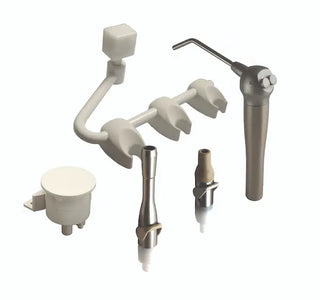
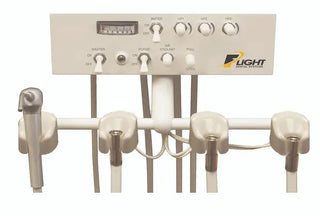
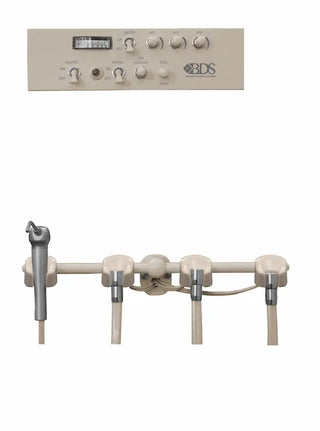
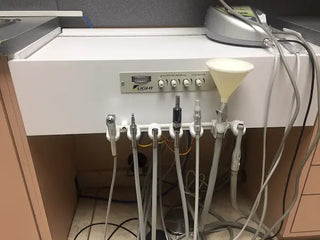
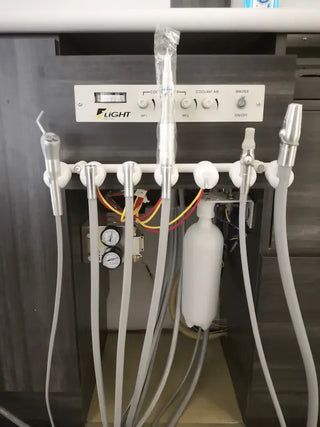
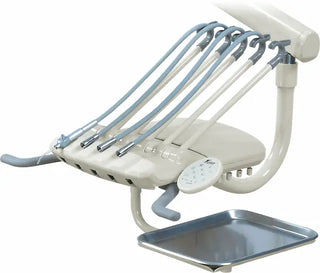
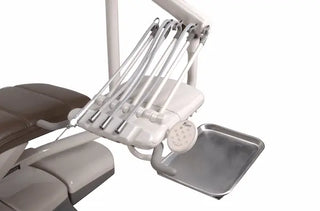
Under-cabinet integration accessories for dental operatory installations. Currently featuring the Flight Dental Systems AI-105 under-cabinet vacuum accessory kit with SE and HVE syringes, plus the RD-3100/RD-3150 under-cabinet rear delivery system with 3-handpiece capacity and syringe. B2B pricing available.

2 Results

2 Results

$
to
$

The highest price is $2,494.70

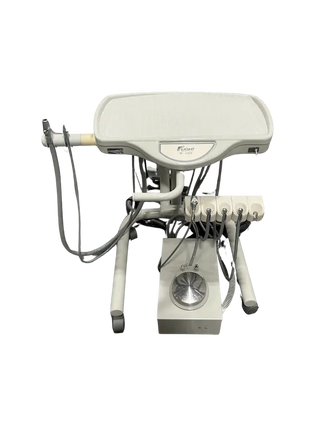
Flight AI-105, Under Cabinet Vacuum Accessory Kit - SE, Syringe, HVE
Sale

Regular price $1,124.00 $730.60 Save 35%

Unit price
per

In stock ? Inventory levels are dynamic and subject to change due to high demand.

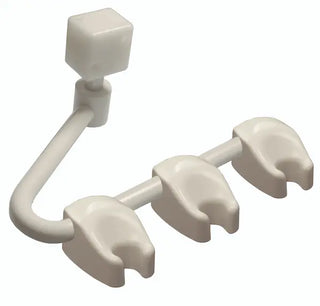
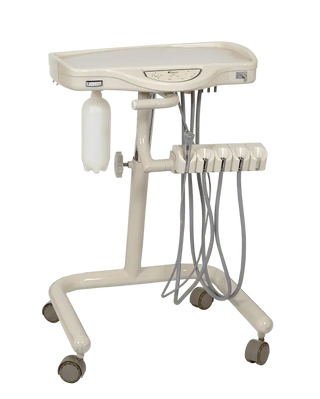
Flight RD-3100 & RD-3150 Under Cabinet Rear Delivery - 3HP, Syringe
Sale

Flight RD-3100 & RD-3150 Under Cabinet Rear Delivery - 3HP, Syringe

Regular price $3,396.00 from $2,207.40 Save up to 35%

Unit price
per

Regular price $3,396.00 from $2,207.40 Save up to 35%

Unit price
per

In stock ? Inventory levels are dynamic and subject to change due to high demand.

Dental Operatory Cabinets

Dental Operatory Cabinets: The Infrastructure of an Efficient, Professional Practice

The clinical performance of a dental practice is shaped by far more than the skills of its practitioners and the quality of its handpieces and imaging equipment. The physical organization of the operatory — where instruments are stored, how supplies are accessed, how the workflow moves between the dentist's position and the assistant's station, and how efficiently the team can transition between procedures — is itself a clinical variable that affects treatment outcomes, procedure time, infection control compliance, and practitioner ergonomic health throughout an entire career.

Dental operatory cabinets are the architecture of the clinical workflow. They determine what is within arm's reach, what requires a trip across the room, how easily surfaces can be disinfected between patients, and whether the operatory projects the professional image that builds patient confidence and supports case acceptance. 

At MediDepot, our Dental Operatory Cabinets collection features custom-configured, modular, and mobile cabinetry solutions from industry-leading dental equipment manufacturers including A-dec, Midmark, and Pelton & Crane — covering the full range of operatory layout configurations, specialty practice requirements, and practice growth scenarios from single-chair startups to multi-operatory DSO expansion projects.

Who Needs Dental Operatory Cabinets?

Dental operatory cabinetry serves every dental practice setting — from the solo general dentist's first office to the regional group practice building its tenth location. The right cabinetry solution looks different for each of these scenarios, but the underlying clinical and operational requirements are consistent across all of them.

  • General Dentists Opening or Renovating a Practice who need to design an operatory layout that supports their preferred clinical workflow — whether that is a traditional side delivery setup, a rear delivery configuration, or a fully customized hybrid — and who need cabinetry that delivers the right combination of storage capacity, surface area, ergonomic positioning, and aesthetic quality for their patient demographic and practice brand.

  • Specialist Dental Practices including periodontists, endodontists, oral surgeons, orthodontists, and pediatric dentists whose specialty workflows impose specific cabinetry requirements — endodontic microscope integration, orthodontic model storage, pediatric-scale counter heights, surgical instrument organization — that standard general dentistry configurations do not fully address.

  • Dental Practice Owners planning a complete operatory renovation who need cabinetry solutions that can be installed within the existing physical footprint, integrate with existing chair and delivery unit systems, and deliver the storage organization and workflow improvements that justify the capital investment of a full operatory refresh.

  • DSO and Multi-Location Group Practice Facility Directors standardizing operatory designs across a growing portfolio of locations who need cabinetry solutions with consistent specifications, predictable installation timelines, reliable manufacturer support, and the modularity to accommodate location-specific space constraints without requiring fully custom designs for each individual operatory.

  • Dental School and Community Health Clinic Administrators equipping high-volume, multi-chair clinical facilities where cabinetry durability, ease of cleaning, standardized supply organization across multiple operatories, and long-term structural integrity under high-utilization conditions are the governing procurement criteria.

  • Dental Equipment Dealers and Practice Consultants sourcing operatory cabinetry packages for their clients who need access to the full range of manufacturer options — from entry-level modular configurations to fully custom built-ins — through a single professional supply partner.

Types of Dental Operatory Cabinets

Dental operatory cabinetry encompasses several distinct functional categories, each serving a specific clinical purpose within the operatory workflow. Understanding the function and configuration options of each cabinet type is the foundation of a well-planned operatory design.

Doctor's Cabinets and Rear Delivery Configurations

  • The doctor's cabinet is positioned at the dental practitioner's 10-to-12 o'clock working position and provides the dentist with immediate access to the instruments, materials, and supplies needed for the procedure — without requiring the dentist to reposition, reach across the patient, or request materials from the assistant during the critical phases of treatment.

  • Rear delivery configurations integrate the doctor's working surface, instrument cassette drawers, handpiece connections, and material storage into a single, cohesive unit behind the patient's head — creating the closest possible instrument reach for the dentist while keeping the patient's sightline clear of equipment that might increase dental anxiety.

  • Adjustable shelf and drawer configurations within the doctor's cabinet accommodate the wide variety of instrument cassette sizes, bur blocks, material tubes, and supply containers used across different procedure types — from single-tooth restorative setups to complex multi-surface reconstructions.

Assistant's Cabinets and Side Delivery Configurations

  • The assistant's cabinet is positioned at the 3-to-4 o'clock position and serves as the clinical command center for the dental assistant — housing evacuation system connections, three-way syringe access, mixing pads and spatulas, impression material supplies, saliva ejector holders, and the full range of chairside support materials the assistant manages throughout the procedure.

  • Counter height calibration on the assistant's side is a critical ergonomic specification — the work surface must be positioned at a height that allows the seated assistant to comfortably prepare materials, transfer instruments, and manage suction without the sustained upper extremity elevation that leads to shoulder and neck fatigue over the course of a clinical day.

  • Integrated sink modules in assistant's cabinets provide immediate, chairside handwashing access between procedure phases and support the frequent glove change and hand hygiene requirements of modern infection control protocols without requiring the assistant to leave the operatory.

Modular Dental Operatory Cabinets

  • Modular cabinetry systems from manufacturers including Midmark and Pelton & Crane are constructed from standardized, interchangeable units — base cabinets, wall cabinets, corner units, open shelving modules, and sink units — that can be configured to fit virtually any operatory footprint without the lead time, cost, and inflexibility of fully custom built-in cabinetry.

  • Pelton & Crane Millenium Cabinetry offers streamlined rear and side delivery configurations with a clean, contemporary aesthetic and the modular flexibility to adapt to different operatory layouts — making it well-suited for both new operatory builds and renovation projects where the existing footprint constrains the available configuration options.

  • Pelton & Crane Centennial 2 Cabinetry provides enhanced customization options and aesthetic versatility for practices where operatory design is a deliberate component of the practice brand and patient experience — offering a broader range of door styles, finish options, and configuration possibilities than standard modular systems.

  • Midmark operatory cabinetry features seamless polystyrene drawer construction that eliminates the seams, gaps, and joints where biological debris and cleaning solution residue can accumulate — a meaningful infection control advantage in a clinical environment where operatory surface disinfection is performed multiple times daily.

  • High-pressure laminate work surfaces with 2-millimeter color-matched edge banding absorb the daily impacts from instrument cassettes, material containers, and handpiece placement without delaminating, cracking, or exposing substrate that harbors contamination — maintaining the surface integrity required for effective disinfection throughout the cabinet's service life.

Mobile Dental Cabinets and Carts

  • Mobile dental cabinets on locking casters provide the flexibility to reposition storage and work surfaces within the operatory for different procedure types, to move the mobile unit to a separate sterilization or preparation area between patients, and to reconfigure the operatory layout as clinical needs and team workflows evolve over time.

  • Mobile cart designs with multiple lockable drawers and work surface tops are the preferred configuration for dental practices that use a cassette-based instrument management system — the cart serves as a mobile tray stand that brings the procedure's complete instrument cassette to chairside and returns to the processing area as a complete, sealed contaminated cassette unit.

  • Wheeled mobile base construction with heavy-duty locking casters provides the stability needed during active clinical use — when instruments are being set up, transfers are occurring, and the cart is being loaded with material — and the mobility needed between procedures when the cart must be repositioned or removed from the operatory for cleaning.

Sterilization Center Cabinets

  • Dedicated sterilization center cabinetry creates the spatial organization and workflow structure that effective, compliant instrument reprocessing requires — clearly defined zones for contaminated instrument receipt, instrument cleaning and decontamination, packaging and pouch sealing, autoclave loading, sterile storage, and wrapped instrument distribution back to the operatory.

  • A-dec Inspire Sterilization Center configurations provide integrated surface areas for each phase of the reprocessing workflow, built-in storage for packaging supplies and consumables, and the cleanable surface materials required for a space where biocontamination management is the primary operational concern.

  • Counter depth and height specifications in sterilization center cabinetry must accommodate the physical dimensions of the facility's autoclave and ultrasonic cleaner equipment, the clearance required for instrument cassette handling, and the ergonomic requirements of the staff member who performs the majority of the reprocessing workflow.
  • Heat-resistant and moisture-resistant surface materials are essential specifications for sterilization center cabinetry where autoclave steam venting, instrument washing water, and chemical cleaning solutions create sustained high-humidity, high-temperature surface exposure conditions that degrade standard wood-composite cabinetry over time.

Cabinetry Material and Finish Specifications

The materials used in dental operatory cabinetry directly determine its durability, cleanability, aesthetics, and long-term value. Understanding the key material specifications helps practice owners and procurement decision-makers evaluate cabinet options with clinical relevance rather than only on appearance.

  • High-Pressure Laminate (HPL) is the industry-standard surface material for dental operatory cabinetry work surfaces and door panels. HPL provides excellent resistance to the chemical cleaning agents used for operatory disinfection, good impact resistance against the daily wear of instrument and equipment contact, and a broad range of color and texture options that support diverse aesthetic preferences.
  • 2-Millimeter Color-Matched Edge Banding on all cabinet panels and work surfaces protects the substrate material from moisture and chemical infiltration at the most vulnerable surface edge points — the locations where laminate delamination typically begins in lower-quality cabinetry that uses thinner edge banding or leaves substrate edges exposed.
  • Seamless Polystyrene Drawer Boxes eliminate the joints, seams, and corners that collect biological debris and cleaning solution residue in conventional wood drawer construction — the hallmark of clinical-grade cabinetry specifically designed for infection control-compliant healthcare environments.
  • Soft-Close Door Hinges with adjustable closure settings prevent the sharp cabinet door impacts that chip door panels and loosen hinge hardware over time, and eliminate the noise that contributes to patient anxiety and clinical environment stress during a busy appointment schedule.
  • Corian or Solid Surface Work Surface Upgrades are available on many dental cabinet lines and provide a non-porous, seamless surface alternative to laminate that eliminates joints and seams at sink cutouts and countertop transitions — offering superior chemical resistance and a higher-end aesthetic appropriate for practices where operatory design is a patient experience differentiator.

Planning Your Dental Operatory Cabinet Configuration

Successful dental operatory cabinetry planning requires a systematic evaluation of the clinical workflow, the physical space, the delivery system configuration, and the practice's growth trajectory. The following considerations should guide your cabinetry selection process.

  • Workflow Mapping Before Specification: Before selecting a cabinet configuration, map out the physical movements of the dentist and assistant through a typical procedure — from patient seating through treatment to dismissal. Identify where instruments are needed, where materials are mixed, where suction is managed, and where waste is generated. Let the workflow drive the cabinet layout rather than defaulting to a standard configuration that may not match how your team actually works.
  • Delivery System Integration Compatibility: Dental operatory cabinets must be physically and mechanically compatible with the practice's delivery system — whether a rear-mounted, side-mounted, or cart-based delivery configuration. Verify compatibility between the cabinetry system and the delivery unit before procurement to avoid costly modification requirements during installation.
  • Storage Volume vs. Counter Area Balance: More drawers and cabinet space is not always better — a cramped counter area with excessive storage can reduce the available work surface area needed for material preparation, instrument setup, and chairside tray management during procedures. Balance storage volume with usable counter area based on the specific procedure mix and case complexity of your practice.
  • Infection Control Surface Specifications: Prioritize cabinetry with seamless, easy-to-wipe surfaces, minimal horizontal ledges where debris can accumulate, flush-mounted hardware that does not create contamination-trapping crevices, and surface materials rated for repeated contact with the specific disinfectants used in your infection control protocol.
  • Modularity for Future Reconfiguration: Modular cabinet systems can be reconfigured, expanded, or relocated as the practice grows, adds associates, or changes its clinical focus. If long-term practice flexibility is a priority, modular systems offer meaningful advantages over fixed built-in configurations that cannot be modified without significant construction costs.

Why MediDepot Is Your Source for Dental Operatory Cabinets

MediDepot is a dedicated American professional dental and medical equipment supplier serving solo practices, group practices, dental schools, and community health dental programs with the clinical equipment they need to build efficient, professional, and patient-centered operatories.

Our dental operatory cabinet collection features products from A-dec, Midmark, and Pelton & Crane — manufacturers with established track records for cabinetry quality, material durability, clinical design sophistication, and manufacturer support that dental practice owners and facility directors depend on for major capital equipment investments.

When you source your operatory cabinets from MediDepot, you benefit from professional guidance through the configuration and specification process, competitive professional pricing, fast shipping across the continental United States, and the assurance that comes from working with a dedicated dental equipment partner who understands the clinical, infection control, ergonomic, and aesthetic requirements of a well-designed modern operatory. Whether you are building your first operatory or your fortieth, MediDepot is the professional source for dental cabinetry that performs as well as it looks — every day, in every procedure.

Frequently Asked Questions: Dental Operatory Cabinets

What is the difference between modular and custom dental operatory cabinets?

Modular dental operatory cabinets are built from standardized, interchangeable units — base cabinets, wall units, corner modules, open shelf sections, and sink units — that can be configured in multiple arrangements to fit a specific operatory footprint without requiring full custom fabrication. They carry shorter lead times, lower costs, and the flexibility to be reconfigured or expanded as the practice grows or clinical workflows change. Custom dental operatory cabinets are designed and built to the precise dimensions, layout requirements, and aesthetic specifications of a specific operatory space, typically offering a higher level of fit, finish, and built-in integration with delivery systems and utility infrastructure. For most practices, modular systems from manufacturers like Pelton & Crane and Midmark deliver excellent clinical functionality and aesthetics at significantly lower cost and lead time than fully custom built-in cabinetry. Custom fabrication is most justified in unusual operatory spaces, high-end cosmetic dental environments, or practices where the operatory design is a deliberate patient experience differentiator.

What surface materials should I look for in dental operatory cabinetry?

The three most important surface material specifications for dental operatory cabinetry are chemical resistance, seamlessness, and cleanability — all determined by the infection control demands of a clinical environment where surfaces are disinfected multiple times daily with EPA-registered disinfectant solutions. High-pressure laminate (HPL) with color-matched 2-millimeter edge banding is the industry-standard specification for work surfaces and door panels, providing good chemical resistance, impact durability, and a wide range of aesthetic options. Seamless polystyrene drawer box construction eliminates the joints and crevices where biological debris accumulates in wood drawer systems. For work surfaces adjacent to the sink, Corian or solid surface upgrade options provide a fully non-porous, seamless alternative to laminate that eliminates the laminate-to-substrate edges most vulnerable to moisture infiltration and delamination. Bactericidal door and drawer handles that resist microbial surface colonization are an additional specification worth evaluating for infection control-sensitive environments.

Can dental operatory cabinets be reconfigured or expanded after installation?

Modular dental operatory cabinet systems are specifically designed for reconfiguration and expansion over the practice's life. Individual modules can typically be added, relocated, or replaced without disturbing the remainder of the installation — making modular systems a sound investment for practices anticipating growth, associate addition, or workflow evolution. Fixed built-in cabinetry, by contrast, requires demolition and reconstruction to change the layout, which is substantially more disruptive and costly. If long-term practice flexibility is a priority — whether because you expect to add clinical staff, expand your procedure mix, or upgrade your delivery system — specify modular cabinetry from the outset. Pelton & Crane's Millenium and Centennial 2 modular systems and Midmark's operatory cabinetry are all designed with this operational flexibility in mind.

What is the difference between a doctor's cabinet and an assistant's cabinet?

The doctor's cabinet and the assistant's cabinet serve fundamentally different roles in the operatory workflow and are positioned accordingly. The doctor's cabinet is positioned at the dentist's primary working location — typically the 10 to 12 o'clock position relative to the patient's head — and provides the dentist with direct-access storage for instruments, burs, handpieces, and materials needed during the active phases of treatment. Its design prioritizes proximity to the dentist's working position and the ergonomic reach required for seamless instrument retrieval during procedures. The assistant's cabinet is positioned at the 3 to 4 o'clock position on the patient's right side and serves as the clinical management center for the dental assistant — housing suction system connections, three-way syringe access, material mixing surfaces, and chairside supply storage. Its counter height, surface area, and drawer organization are calibrated to the assistant's seated working position and the chairside coordination tasks the assistant performs throughout every procedure. Both are essential to a well-functioning four-handed dentistry operatory.

Do dental operatory cabinets come with integrated sink options?

Yes — integrated sink modules are a standard configuration option in most dental operatory cabinetry lines, and their inclusion is strongly recommended for infection control compliance and clinical efficiency. Integrated sinks in the assistant's cabinet provide immediate chairside handwashing access between procedure phases, glove changes, and patient transitions without requiring the assistant to leave the operatory — supporting the frequent hand hygiene requirements of CDC and OSAP infection control guidelines. Sink units are typically offered in under-mount and drop-in configurations with bowl dimensions appropriate for instrument rinsing, glove removal handwashing, and material disposal. Cabinet manufacturers including Midmark, Pelton & Crane, and A-dec offer integrated sink modules as standard components of their modular cabinet systems. Plumbing rough-in must be planned and positioned correctly during operatory construction or renovation to align with the cabinet layout's sink location — coordinate with your plumber and cabinet installer before finalizing your operatory floor plan.


2 Results

2 Results

$
to
$

The highest price is $2,494.70

Flight AI-105, Under Cabinet Vacuum Accessory Kit - SE, Syringe, HVE
Sale

Regular price $1,124.00 $730.60 Save 35%

Unit price
per

In stock ? Inventory levels are dynamic and subject to change due to high demand.

Flight RD-3100 & RD-3150 Under Cabinet Rear Delivery - 3HP, Syringe
Sale

Flight RD-3100 & RD-3150 Under Cabinet Rear Delivery - 3HP, Syringe

Regular price $3,396.00 from $2,207.40 Save up to 35%

Unit price
per

Regular price $3,396.00 from $2,207.40 Save up to 35%

Unit price
per

In stock ? Inventory levels are dynamic and subject to change due to high demand.

Call Quote