


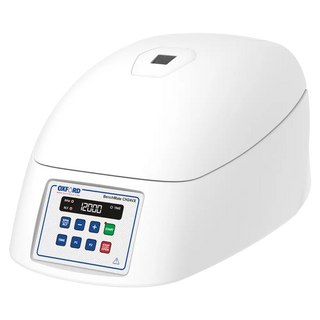
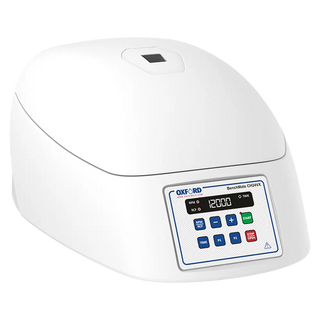




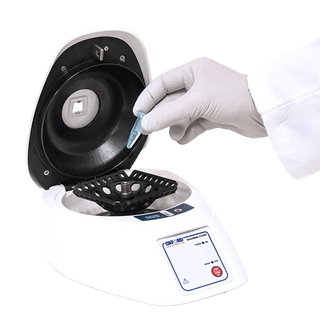
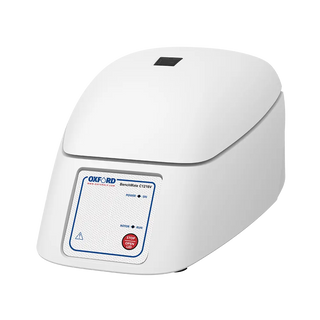
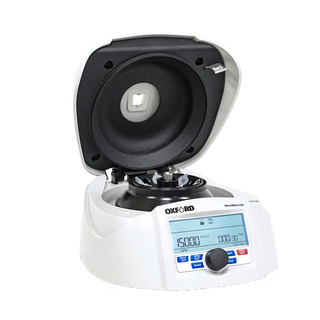
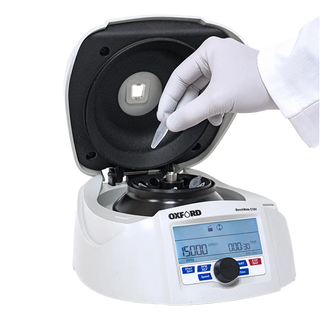
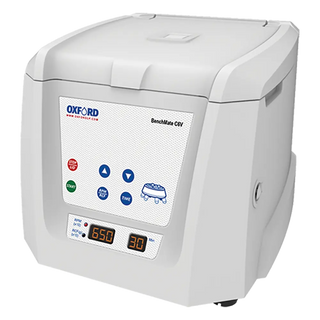
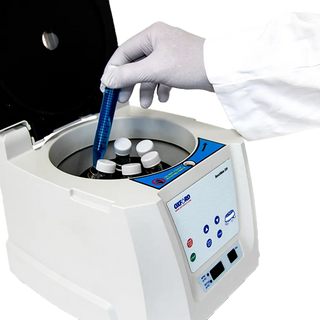
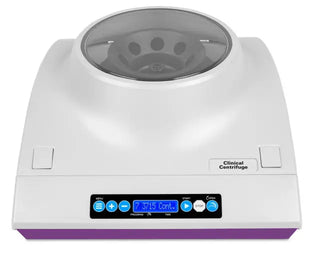
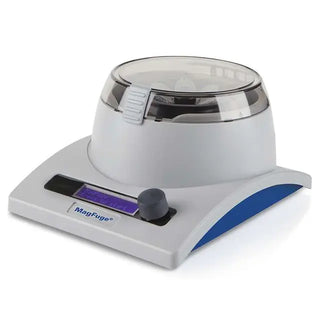
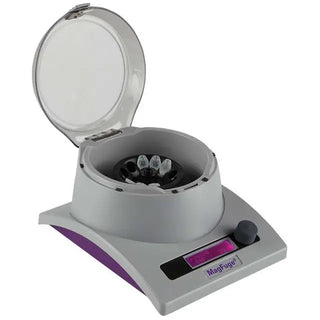
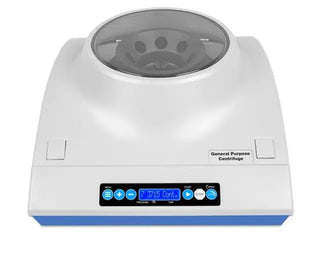
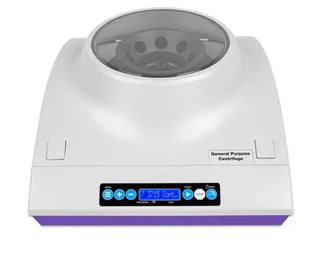
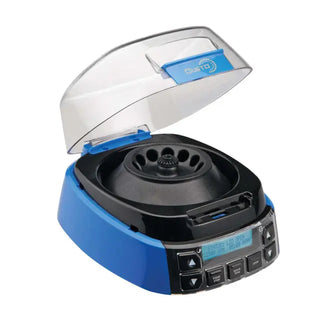


Laboratory centrifuges are important tools in lots of places like research, diagnostics, biotechnology, pharmaceuticals, academic laboratories and industrial testing facilities. They are used for things like separating components, pelleting cells isolating DNA/RNA or processing clinical samples. Laboratory centrifuges are great because they give you the precision and power you need to get results that you can count on.
The Laboratory Centrifuges category has lots of types of equipment like Benchtop, Floor, Microcentrifuges and Rotors. This category has something, for every laboratory no matter how big or small it is.
A Complete Selection of Laboratory Centrifuges
The centrifuges in this category are really useful for a lot of things. They have machines that can spin very fast and create a lot of force and they also have small machines that are easy to move around and can spin things quickly. Each type of centrifuge is good for something in the laboratory. The centrifuges are important, for the laboratory workflow.
Below is a detailed breakdown of the centrifuge types available.
1. Benchtop Centrifuges
Benchtop centrifuges are widely used due to their balance of compact size, power, and versatility. They can process a broad range of sample volumes, making them ideal for both small laboratories and high-throughput research environments.
Key Features of Benchtop Centrifuges
-
Mid-to-high RPM capabilities suitable for a variety of laboratory applications
-
Compatibility with multiple rotor styles, including fixed-angle and swing-bucket
-
Digital interfaces for precise speed and timer control
-
Built-in safety mechanisms such as lid-locking and imbalance detection
-
Quiet operation for a comfortable lab environment
Benchtop centrifuges excel in workflows such as blood sample separation, cell culture processing, chemical analysis, protein purification, and general sample preparation. Many models in this category offer flexible tube capacity, accommodating microtubes, conical tubes, blood tubes, and specialty vessels.
2. Microcentrifuges
Microcentrifuges are essential in molecular biology, genetics, protein research, and fast-paced laboratory workflows. These compact yet high-performance centrifuges support small-volume processing and can reach exceptionally high speeds for rapid sedimentation.
Features of Microcentrifuges in This Category
-
High rotational speeds often exceeding 12,000–15,000 RPM
-
Capacity for 1.5 mL and 2.0 mL microtubes
-
PCR strip and PCR tube rotor compatibility
-
Compact, lightweight designs ideal for crowded bench spaces
-
Brushless motors for long service life and reduced maintenance
Microcentrifuges are particularly useful for pelleting DNA, RNA, proteins, microorganisms, and subcellular particles, as well as for quick spins to collect reagents at the bottom of tubes.
3. Mini & Personal Centrifuges
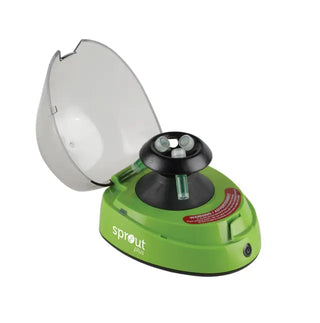
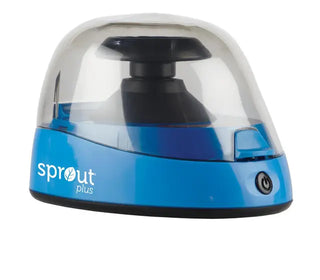
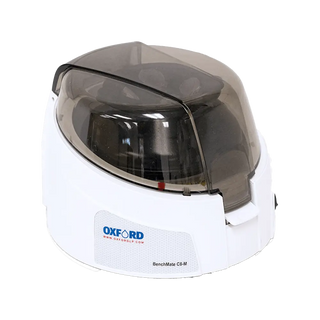
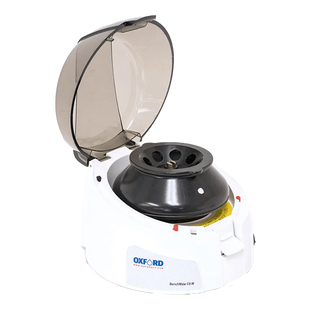
Mini centrifuges are excellent for quick, everyday laboratory tasks. These portable units are often used for simple sample spins, fieldwork, classrooms, and low-volume laboratories.
Typical Features
-
One-touch or simplified operation
-
Fixed-speed spinning for routine applications
-
Interchangeable rotors supporting microtubes and PCR strips
-
Low noise and vibration
-
Highly economical and space-saving
These models are ideal for quick sample collection, reagent settling, and basic molecular biology tasks.
4. Clinical Centrifuges
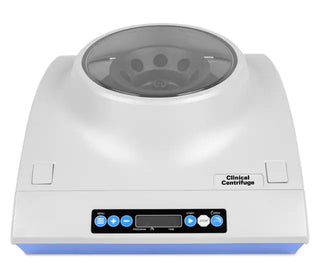
Clinical centrifuges support medical diagnostic workflows, making them indispensable for hospitals, private clinics, and diagnostic laboratories.
Applications
-
Separation of serum and plasma
-
Hematocrit evaluations
-
PRP preparation
-
Urine sample processing
Key Characteristics
-
Smooth operation to protect delicate blood components
-
Compatibility with a wide range of clinical tubes
-
Digital displays for speed, RCF, and timing
-
Affordable and durable design for daily use
Their stable and reliable performance ensures accurate results in routine medical testing.
5. Floor Centrifuges
Floor centrifuges provide high capacity and powerful performance for large research facilities and industrial laboratories.
Advantages of Floor Centrifuges
-
High-volume sample capacity
-
Broad compatibility with large rotors and buckets
-
High G-force capabilities for demanding applications
-
Industrial-grade durability
These centrifuges are ideal for large-scale biological processing, industrial separation workflows, and high-throughput research environments.
6. Specialty Centrifuges
Some applications require unique functionality that traditional centrifuges cannot provide. Specialty models available in this category include:
-
Strip tube centrifuges
-
Plate centrifuges
-
High-speed micro-volume centrifuges
-
Low-speed biological centrifuges
These units support workflows like PCR sample processing, plate-based assays, and unique research methodologies.
Centrifuge Rotors & Accessories
This category includes a complete line of rotors, adapters, and accessories, ensuring compatibility with multiple centrifuge models and enhancing laboratory productivity.
1. Fixed-Angle Rotors
Fixed-angle rotors hold tubes at a consistent angle (usually around 25–40 degrees), maximizing sedimentation efficiency. These rotors are perfect for pelleting and rapid separations.
Common Uses
-
Microbial pelleting
-
DNA/RNA extraction
-
Protein precipitation
-
General laboratory sedimentation
Features
-
Strong aluminum or composite construction
-
High-speed compatibility
-
Corrosion-resistant coating
Fixed-angle rotors deliver fast, clean separations ideal for research-intensive laboratories.
2. Swing-Bucket Rotors
Swing-bucket rotors hold tubes in a vertical position at rest and swing horizontally during centrifugation. This motion ensures a flat sediment layer, ideal for sensitive or layered separations.
Applications
-
Blood component separation
-
Density gradient separation
-
Tissue culture processing
-
Larger-volume samples
Performance Benefits
-
Versatility for multiple tube sizes
-
Uniform sedimentation
-
Support for conical and round-bottom tubes
Swing-bucket rotors are essential for clinical and versatile lab workflows.
3. PCR Strip Rotors
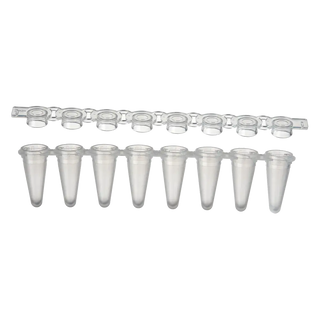
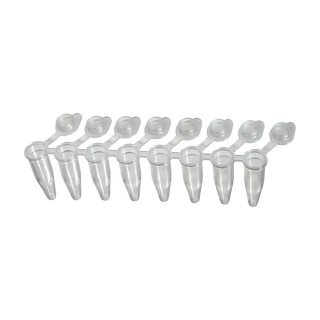
PCR strip rotors hold 8-strip PCR tubes or small individual PCR tubes, making them ideal for molecular biology applications.
Use Cases
-
PCR reaction preparation
-
DNA amplification workflows
-
Rapid sample collection
These rotors allow labs to process many samples simultaneously with uniform acceleration and accurate separation.
4. Tube Adapters & Inserts
Adapters extend the versatility of centrifuges by allowing different tube dimensions to be used with the same rotor. The category features adapters for:
-
0.2 mL, 0.5 mL, 1.5 mL, and 2.0 mL microtubes
-
15 mL and 50 mL conical tubes
-
Blood collection tubes
-
Cryovials and other specialty tubes
These accessories help laboratories save time and improve efficiency while reducing the need for multiple centrifuges.
5. Replacement Components & Safety Accessories
This category includes essential accessories to support long-term equipment reliability, including:
-
Replacement rotor lids
-
Safety caps
-
Tube carriers
-
Rotor buckets
-
Motor covers
-
O-rings and sealing components
These parts help maintain peak performance and ensure compliance with safety protocols.
Performance & Safety Features Across the Category
High-quality centrifuges must combine precision, safety, and durability. Products in this category include advanced engineering to support rigorous laboratory environments.
1. Digital Controls
Most models include easy-to-read digital interfaces for:
-
Adjustable speed
-
RCF calculations
-
Timer settings
-
Program storage
-
Real-time monitoring
2. Safety Systems
Built-in safety features help protect users and samples:
-
Automatic lid locking
-
Overspeed protection
-
Imbalance detection
-
Emergency lid-release mechanisms
3. Low-Noise Operation
Advanced motor design and vibration-reduction technology contribute to quiet, smooth performance.
4. Chemical-Resistant Construction
High-quality housing, rotors, and internal components resist corrosion and chemical exposure.
5. Compact, Space-Saving Design
Even high-performance models often feature small footprints, making them suitable for labs with limited bench space.
Applications of Laboratory Centrifuges
Centrifuges in this category are used in multiple scientific fields. Common applications include:
Clinical Diagnostics
-
Separation of blood components
-
Serum preparation
-
Urine analysis
Molecular Biology
-
DNA & RNA extraction
-
Protein purification
-
PCR preparation
Biotechnology & Pharmaceutical Research
-
Large-scale separations
-
Cell harvesting
-
Sample concentration
Environmental Testing
-
Sediment analysis
-
Chemical separation
Academic & Educational Labs
-
Teaching fundamental laboratory techniques
How to Choose the Right Laboratory Centrifuge
Selecting the best centrifuge for your workflow requires considering a few essential factors:
-
Maximum speed and G-force
-
Rotor compatibility
-
Tube size and sample volume
-
Digital control options
-
Available space
-
Safety features
-
Noise levels
-
Intended applications
This category provides a wide range of models to ensure laboratories can find the centrifuge that perfectly matches their operational and scientific requirements.
Why Choose Centrifuges From This Category?
Products in this category are engineered for:
-
Precision and consistency
-
Long-term durability
-
Smooth, quiet performance
-
Broad rotor compatibility
-
Versatility across multiple applications
-
Compliance with lab safety standards
These centrifuges and accessories support high-throughput environments as well as everyday laboratory tasks, making them a valuable investment for any facility.