


Microscopes are essential parts of our lives when it comes to medicine, scientific research, educational tools, and industrial quality management. Regardless of whether you are inspecting your cells, teaching others using a microscope in a classroom, or meticulously examining a sample within a precise clinical scenario, you need to pick the best quality of such tools and this collection of accessories is sure to provide everything you might require. The Microscopes & Accessories division of Medidepot is the best place to look for quality optics and accessories.
It encompasses compound microscopes, stereo microscopes, digital microscopes, slides, eyepieces, objective lenses, illumination, carrying cases, etc. The selection of products in this category has been based on their capability to endure, as all of these products have been proved reliable in their function of serving adequately in the clinics, laboratories, Universities, veterinary clinics, etc.
What follows is a detailed description of the type of microscopes or accessories under this category, what to look for, and what constitutes quality for this particular equipment.
Types of Microscopes Available
1. Compound Microscopes
Based on the descriptions given, the compound microscope is the most frequently used optical device in clinical environments, academic institutions, and scientific laboratories. This type of optical device is capable of composing high levels of magnification because of the existence of several elements of a lens in order to enlarge a specimen from 40 times to 1000 times or more in size. The main use of a compound microscope is to magnify thinly sliced transparent:
-
Blood smears
-
Microorganisms
-
Tissue samples
-
Bacteria
-
Cell structures
Common features of compound microscopes found in this category include:
-
Achromatic and semi-plan objective lenses for enhanced clarity
-
LED or halogen illumination systems that provide consistent, bright lighting
-
Coaxial coarse and fine focus knobs for precise image adjustments
-
Mechanical stage controls for smooth sample positioning
-
Monocular, binocular, or trinocular heads, depending on user needs
Trinocular microscopes are often useful in situations where the user wants to attach a digital camera.
2. Stereo Microscopes (Dissecting Microscopes)
Unlike compound microscopes, stereo microscopes are useful for tasks that require lesser magnification and more depth perception. They are mostly used in:
-
Biology labs
-
Industrial inspection
-
PCB and electronics repair
-
Gemology
-
Veterinary procedures
-
Dissection and anatomical studies
Typical magnifications fall within the range of 10x to 40x, and this makes stereo microscopes suitable for viewing large and opaque objects. Some of the features of this category may be:
-
Dual LED upper and lower illumination
-
Zoom or fixed magnification depending on the model
-
Wide-field eyepieces for comfortable viewing
-
Durable metal frames suitable for repeated daily use
They display a three-dimensional image, which makes stereo microscopes essential for precise handling.
3. Digital Microscopes
Digital microscopes combine optical technology and digital imaging to utilize a screen for live viewing as opposed to the eyepiece. They are becoming more popular in:
-
Research labs
-
Quality control environments
-
Classrooms
-
Clinical documentation
-
Online or remote teaching
Features often include:
-
High-resolution digital sensors
-
USB, HDMI, or Wi-Fi connectivity
-
On-screen measurement tools
-
Adjustable LED lighting
-
Software integration for image capturing and analysis
Additionally, digital microscopes help share results with the students, colleagues, or even the supervisor or teacher in a more collaborative manner.
Microscope Accessories Available in the Category
The ‘Microscopes & Accessories’ collection does not contain only microscopes, as it also includes various other important items which add value to both the accuracy and lifespan of the equipment, as well as the convenience of the user.
1. Microscope Slides & Cover Glass
Slides and cover glass are indispensable for preparing biological and chemical specimens. These products are typically crafted from:
-
High-clarity glass
-
Pre-cleaned, lint-free materials
-
Standardized thickness for consistent optical performance
Some product variations include:
-
Blank glass slides
-
Pre-prepared slides for educational use
-
Frosted-end slides for labeling
-
Cover glass in various thickness options
High-quality slides help ensure clear imaging and reduce distortions under high magnification.
2. Eyepieces & Objective Lenses
Upgrading the Eyepieces and Objectives: This can vastly enhance optical resolution and comfort of use. This category may include:
-
Wide-field eyepieces (WF10x, WF15x, WF20x)
-
Achromatic, semi-plan, and plan objectives
-
Oil immersion lenses for high-resolution microbiological studies
-
Replacement objective lens sets
-
Adjustable eyepieces for users with vision correction needs
These accessories enable professionals to customize their microscopes according to different uses.
3. Illumination & Lighting Accessories
It is essential for proper lighting in order to obtain correct results. Illumination accessories can include:
-
LED illumination modules (energy-efficient & cool-operating)
-
Halogen bulbs for warm, bright light
-
Ring lights for stereo microscopes
-
Replacement light sources
-
Adjustable brightness systems
LED lighting is particularly favored because of its long lifespan and stable color temperature.
4. Stages, Stands & Mechanical Components
To enhance stability and usability, the collection may include:
-
Mechanical stages
-
Stage clips
-
Adjustable stands for stereo microscopes
-
Replacement focusing knobs
-
Slide holders and specimen clips
These mechanical parts increase the efficiency of the workflow and are important for proper sample positioning.
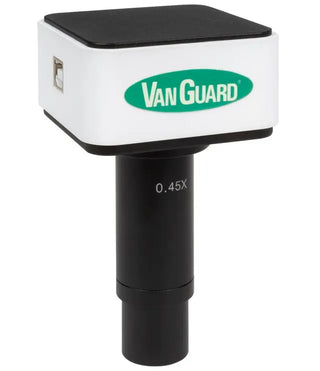
5. Microscope Cameras & Imaging Accessories
In the documentation of samples and in the projection of images on screens, microscope cameras play a crucial role.
-
High-resolution image capture
-
Easy software integration
-
USB or HDMI output
-
Compatibility with trinocular microscope ports
They are widely used in teaching, telemedicine, research documentation, and digital archiving.
6. Protective Cases & Dust Covers
Microscopes are precision instruments and hence must be treated with care. Accessories may include:
-
Custom-fit dust covers
-
Carrying and storage cases
-
Anti-static protective materials
These accessories protect optical surfaces and mechanical parts from environmental damage.
Benefits of Choosing High-Quality Microscopes & Accessories
1. Enhanced Image Clarity & Accuracy
Professional-grade optics ensure minimal image distortion and precise results. This is important for clinical and laboratory equipment.
2. Greater Durability for Daily Use
A medical, research, or education environment requires instruments that can withstand the rigors of frequent handling. Top-quality instruments mean reliability.
3. Customization for Any Application
The user can configure the microscope depending on their work requirements using interchangeable lenses, eyepieces, lighting accessories, and imaging tools.
4. Consistent Performance & Repeatability
Accurate repeatable results are of prime importance in diagnostics and quality control. Premium optics assist in this regard.
5. Smooth User Experience
Ergonomic design, precise focus control, and appropriate illumination all ease the fatigue process and enhance the overall microscope usage experience.
Common Applications Across Industries
The Microscopes & Accessories category enables a broad array of professional roles:
Healthcare & Clinical Diagnostics
Used for analysis of blood samples, bacteria, tissues, and other pathological data.
Educational Institutions
Universidades, colegios, e instituciones K-12 utilizan microscopios como parte de sus currículas para
Laboratory Research
Essential in molecular studies, microbiology, cell biology, chemical analysis, and environmental testing.
Industrial Inspection
Used in electronics, manufacturing, textile inspection, metal analysis, and precision engineering.
Veterinary Medicine
To assist in diagnosis within animal care, parasites, and tissue examination.
Forensic Science
Used in trace evidence examination, material identification, and biological analysis.
Choosing the Right Microscope: Key Factors to Consider
When selecting a microscope, the following are important considerations:
Magnification Needs
There is a need for greater magnification when studying cells, but lower magnification is required for industrial or anatomical research.
Type of Samples
It requires compound microscopes if the samples are transparent. For objects that are opaque, the best microscopes are the stereo or digital microscopes
Lighting Requirements
Brightfield, darkfield, LED, halogen, or ring lights depending upon sample type.
Digital Compatibility
For documentation or teaching purposes, a trinocular or digital microscope is best.
Durability & Build Quality
Metal frames and optical elements guarantee long-lasting performance.
Why Buy Microscopes & Accessories from Medidepot
Medidepot’s product line is carefully selected to ensure that professionals benefit from reliable, high-performance microscopy products. Since products in this category are carefully selected on the basis of quality, value, and usability, you can rest assured that you will find the right microscope depending on your requirements, whether you are running a medical practice, a classroom, or an industry.