


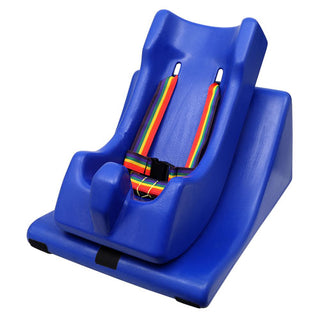
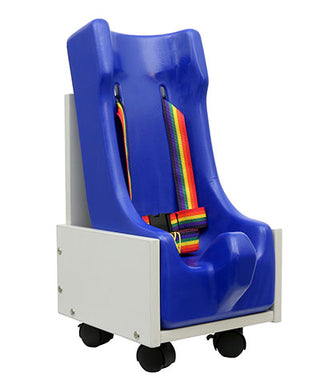
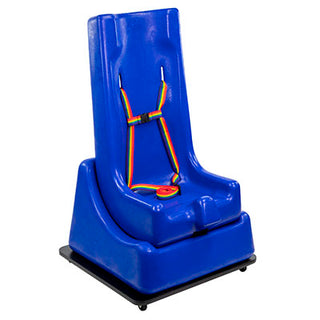
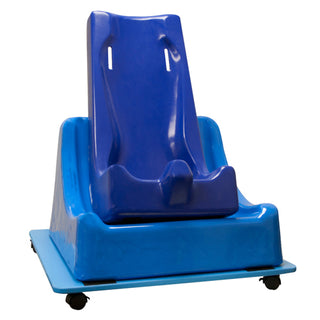
The most crucial element for providing safe and effective clinical care services needs to be established through proper patient positioning procedures, which medical professionals see as their most important task. The correct positioning aids during surgical procedures and diagnostic imaging procedures and long-term care resident management and rehabilitation therapy delivery will provide surgical access and pressure redistribution and maintain patient safety through anatomical alignment. The Patient Positioning Aids collection at MediDepot contains all necessary medical-grade wedges and gel pads and bolsters and foam positioners and support cushions which clinicians need to operate in all types of care environments.
Who Relies on Patient Positioning Aids?
Patient positioning products provide essential support to healthcare workers who operate in various medical facilities. The essential role of these products in daily clinical operations becomes clear when all users who access these products are identified.
- Surgeons and Surgical Teams in operating rooms who need precise, stable patient positioning to ensure optimal surgical site access, airway management, and neurovascular safety throughout lengthy procedures.
- Anesthesiologists and CRNAs who must position patients to protect airway patency, prevent compression injuries, and maintain cardiovascular stability under anesthesia.
- Perioperative and OR Nurses who need to establish surgical tables for patient security through positioners that meet clinical safety standards while preventing positioning-related injuries.
- Radiology and Imaging Technologists who need radiolucent positioning aids that maintain patient stability and comfort without blocking X-ray, CT, MRI, or fluoroscopy imaging.
- Physical and Occupational Therapists who use wedges, bolsters, and foam rolls to conduct therapeutic exercises and stretching and neuromotor training and post-surgical rehabilitation programs.
- Wound Care Nurses and Long-Term Care Staff who oversee patients with pressure injury risks use positioning aids for offloading bony areas and pressure distribution and scheduled patient repositioning.
- Home Health Aides and Family Caregivers assist patients who have restricted movement and stroke or orthopedic conditions because these patients need help with their daily activities and require special positioning equipment for their beds and chairs and their regular care procedures.
Medical Foam Wedges
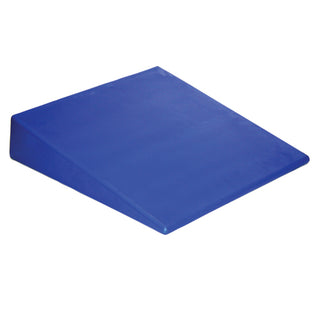
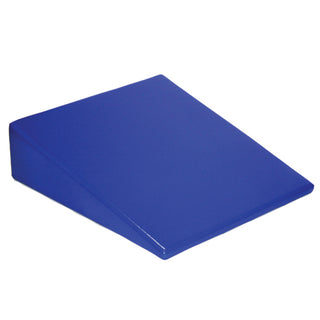
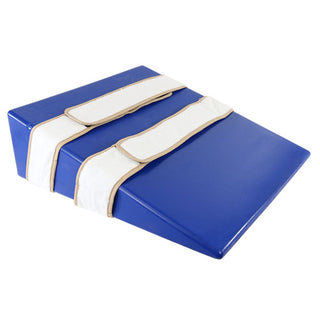
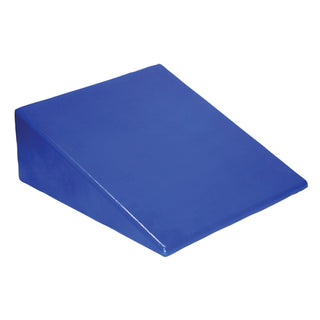
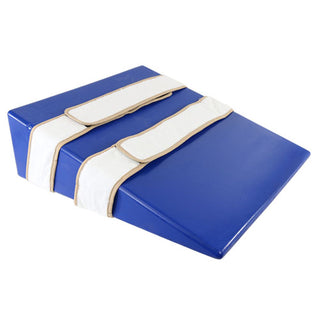
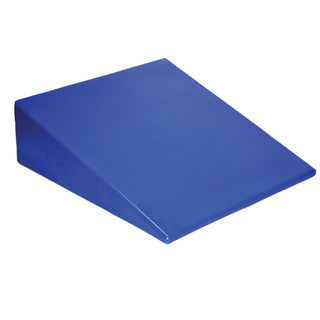
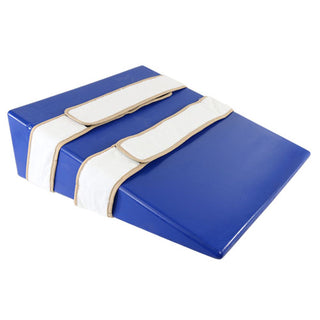
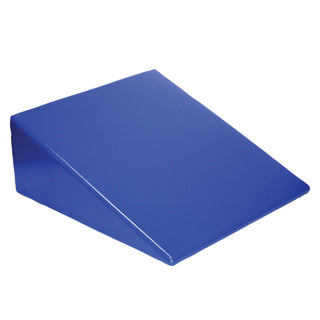
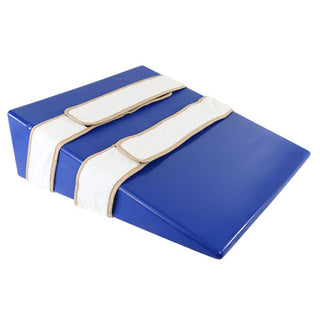
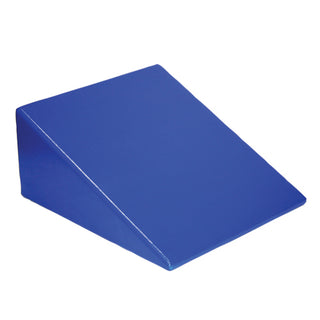
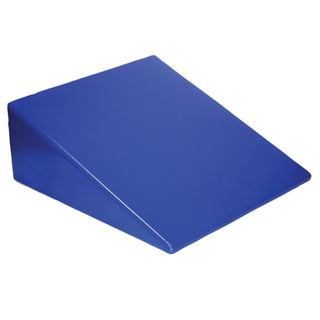
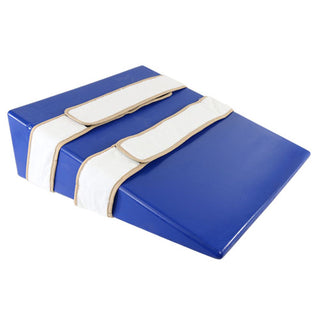
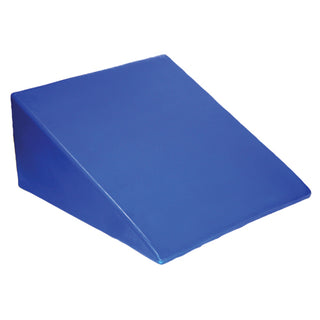
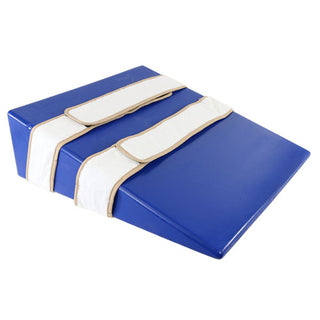
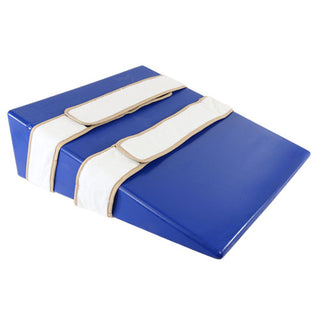
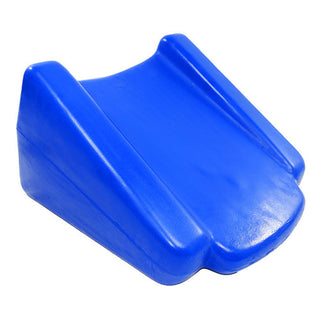
Clinics use foam wedges as their primary patient positioning tool because of its versatile characteristics which enable medical professionals to use it in multiple clinical environments. The wedge-shaped design of the device allows users to raise different body parts while tilting their body and changing joint positions without experiencing discomfort from pressure points.
Common Clinical Applications
- Head and Torso Elevation: Foam bed wedges placed under the upper body elevate the torso to reduce gastroesophageal reflux which helps patients with COPD or heart failure breathe better and feel more comfortable during their recovery from medical procedures.
- Lower Extremity Elevation: Wedge cushions positioned under the lower legs help reduce dependent edema while they improve venous return and decrease heel pressure for patients who face heel ulcer risks.
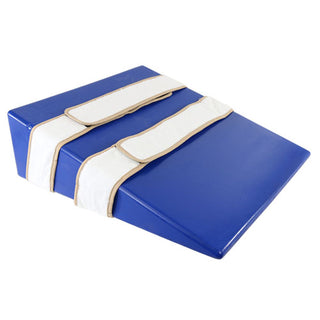
- Lateral Positioning Support: Angled wedges placed behind a patient's back maintain a prescribed lateral tilt (typically 30 degrees) which protects them from sacral and trochanteric pressure injuries that affect immobile patients.
- Post-Surgical Joint Positioning: Following hip arthroplasty knee surgery or spinal procedures foam wedges keep specific joint angles which protect surgical repairs while supporting proper healing alignment.
- Fall Prevention and Bed Safety: Foam safety wedges positioned along the sides of a bed or mattress create a barrier which stops patients from rolling to the edge while they sleep thus eliminating the need for physical restraints.
Foam Wedge Specifications
- Features high-density polyurethane foam construction which maintains its original shape when users apply extended weight to it.
- Features fluid-resistant and antimicrobial vinyl or polyurethane covers which enable easy cleaning between patient usages.
- Provides 10-degree and 20-degree and 30-degree and 45-degree incline options which enable users to select their required clinical needs.
- Enables nursing staff to move the equipment because its lightweight design eliminates the need for special moving tools.
- Includes radiolucent foam options which enable users to take X-ray and fluoroscopy medical images.
Gel Pads & Surgical Patient Positioners
The surgical and high-acuity environments require gel-based positioning pads as the standard solution for pressure redistribution needs. The gel material uses its viscoelastic characteristics to adapt to the patient's body shape, which results in pressure distribution across a wider area while decreasing specific pressure points that endanger tissue blood flow during extended medical operations.
Why Gel Positioners Are Essential in the OR
- Reducing peak interface pressures at bony prominences such as the sacrum, heels, elbows, and occiput.
- Providing a stable, non-slip surface that prevents patient drift during tilted or Trendelenburg/reverse-Trendelenburg positioning.
- Maintaining consistent support throughout extended procedures without the compression fatigue seen in standard foam.
- Offering radiolucency in select models, ensuring they do not create imaging artifacts when fluoroscopy or intraoperative X-ray is used.
- Providing reusable performance through durable gel-filled vinyl constructions that withstand repeated cleaning with hospital-grade disinfectants.
Types of Gel Pads Available
- Full-Body Surgical Gel Pad Sets: Complete pad kits designed to cover the entire operating table surface and include head body heel and arm board pads.
- Heel and Foot Gel Positioners: The device presents a specific design which enables it to support the heel while lifting the foot and it maintains full weightlessness of the Achilles tendon and malleoli during supine procedures.
- Head and Neck Gel Rings (Donut Pads): The circular gel pads provide occipital support to supine patients which helps prevent both occipital pressure alopecia and pressure injuries that occur during cranial procedures.
- Arm Board and Elbow Gel Pads: The arm board features gel surfaces which take on a contoured shape to protect the ulnar nerve and olecranon during extended supine operations.
- Perineal and Lithotomy Gel Pads: The pads safeguard the sacrum and coccyx against continuous pressure which occurs during gynecological urological and colorectal operations that use the lithotomy position.
Bolsters, Rolls & Positioning Cylinders
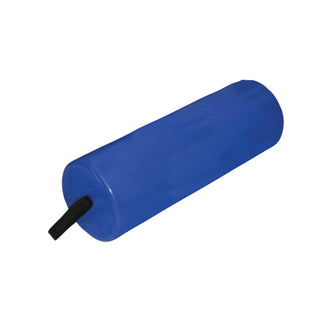
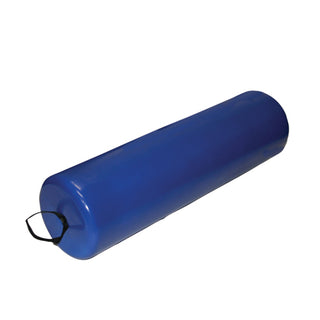
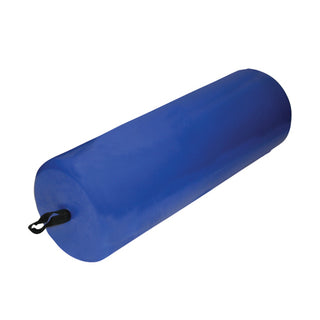
Surgical suites and rehabilitation clinics require both bolsters and cylindrical foam rolls as vital equipment. The cylindrical shape of these devices enables them to maintain designated joint flexion positions while simultaneously relieving pressure from the popliteal space and lumbar area and allowing patients to perform therapeutic exercises.
- Knee Bolsters: This device sits beneath the knees during supine positioning to assist with lumbar lordosis reduction and lower back tension relief. Essential in rehabilitation, massage therapy, and post-procedure recovery.
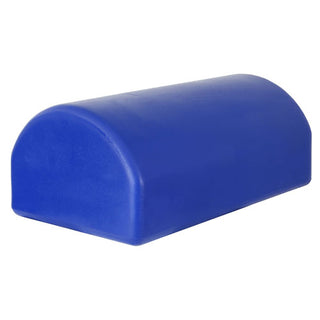
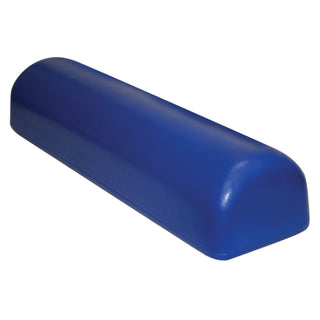
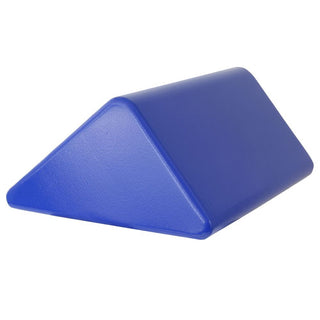
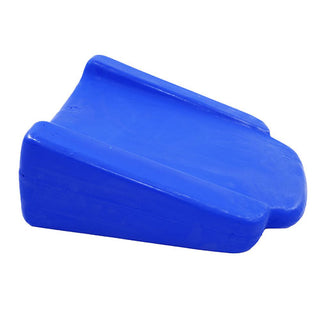
- Half-Round Bolsters (Semi-Cylindrical): These bolsters assist physical therapy exercises and minor procedures through their ability to create a lower elevation angle which supports both ankle and forearm positions.
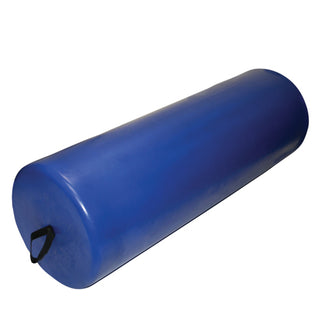
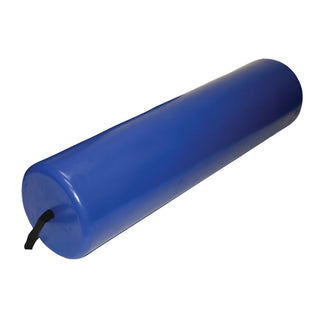
- Full-Round Bolsters: These larger diameter cylinders function to support entire lower legs while maintaining lateral positioning and providing a therapy exercise prop.
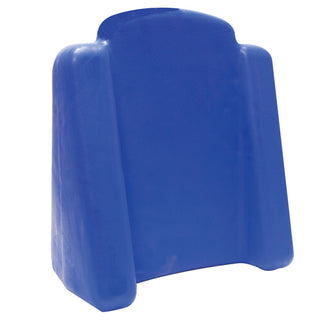
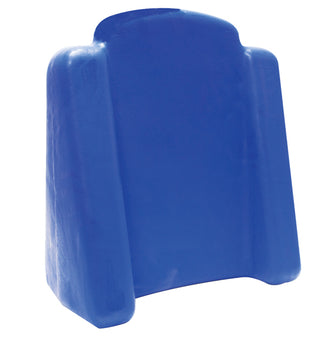
- Prone Positioning Rolls: Chest and pelvic rolls support patients in the prone position during spinal surgery or therapeutic procedures by reducing abdominal compression while enabling diaphragmatic respiration.
Heel Protectors & Foot Elevation Supports
Heel pressure injuries represent a major medical issue which frequently occurs as a serious complication that affects both hospitalized patients and those in long-term care facilities. The heel area lacks sufficient subcutaneous tissue and has minimal contact area that makes it vulnerable to developing ischemic injuries when exposed to continuous pressure. MediDepot's heel protectors and foot elevation aids provide evidence-based solutions for offloading and protecting this vulnerable area.
Key Features of Heel Protectors
- The suspension heel design completely elevates the heel which prevents any direct pressure from touching the support surface.
- The inner linings of the product contain moisture-wicking and breathable materials which help protect patients with delicate skin from developing maceration.
- The product includes adjustable straps and universal sizing which enable it to fit various patient foot dimensions.
- The product uses lightweight foam or gel materials which allow patients to experience comfort when they wear the product for long periods.
- The exterior surfaces of the product enable simple cleaning while meeting the disinfection standards required for healthcare facilities.
Specialty Positioning Supports
The product line of MediDepot includes various specialized positioning equipment which medical professionals use to solve particular clinical needs.
- Lateral Body Positioners (Peanut/Beanbag Supports): The inflatable and foam-filled supports enable patients to maintain stable body positioning while medical professionals perform thoracic abdominal and urological operations.
- Shoulder Positioners and Arm Slings: The device provides support for the arm and shoulder during beach-chair or lateral positioning operations while it safeguards the brachial plexus from stretch damage.
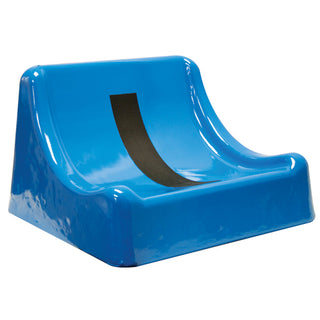
- Pediatric Positioning Aids: The product includes smaller wedges and rolls and pads which provide neonatal and infant and pediatric patients with appropriate support through their weight-based design.
- Radiolucent Foam Positioners: These aids enable medical professionals to use X-ray transparent foam composites for fluoroscopy portable X-ray and intraoperative imaging without creating artifact interference.
- Wheelchair Pressure Relief Cushions: The gel-foam composite cushions enable wheelchair users to sit for extended periods while redistributing pressure from their sitting bones and tailbone to stop pressure injuries from developing.
Material Technology & Safety Standards
Patient positioning aids achieve their operational efficiency because of the material composition used to create their structures. The positioning products from MediDepot receive design development which meets the specific requirements found in clinical settings.
- Medical-Grade High-Density Foam: Provides firm, consistent support across the full range of patient weights, ensuring that positioners do not compress or bottom out under clinical use conditions.
- Viscoelastic Gel Compounds: Distribute weight evenly across broad surface areas, reducing peak pressure at bony prominences to levels below capillary closing pressure thresholds.
- Antimicrobial Vinyl Covers: Fluid-resistant latex-free outer covers that resist bacterial colonization and support rapid compliant disinfection between patient uses.
- Fire-Retardant Materials: Many surgical positioners use fire-retardant foam and cover materials which meet OR safety standards for their manufacturing process.
- Non-Slip Bottom Surfaces: Rubberized or textured bases prevent positioners from sliding on operating tables imaging platforms and care beds during patient movement.
Why Trust MediDepot for Patient Positioning Aids?
At MediDepot, we understand that patient positioning is not merely about comfort. The process requires clinical safety measures because it affects patient results and staff working conditions and organization of responsibilities. Our Patient Positioning Aids collection reflects this understanding through:
- Our team conducts product assessments to select only those items which meet our safety standards. We source from trusted manufacturers who produce positioning aids that meet or exceed AORN, ECRI, and Joint Commission safety guidelines.
- Clinical environments require our products to operate according to their actual needs. The products provide hospitals with the necessary attributes to maintain their operations during busy periods because they deliver durability and cleanability.
- Our product range includes all healthcare environments which require correct positioning. Our product range covers every setting where proper positioning matters.
- Our company provides single-unit products at competitive prices. Our company provides volume discounts for facilities that purchase large quantities of products.
- Our company fulfills orders which we ship throughout the continental United States. Our company provides fast delivery service that helps hospitals maintain their supply of essential positioning aids which they need for urgent cases.