





Professional-Grade Treatment Surfaces for Every Clinical Setting
Physical therapy is kinda hands-on work, and honestly it matters a lot. The results from manual therapy, therapeutic exercise, neuromuscular re-education, and functional rehab all depend—even if just a little—on whether the treatment surface is ready for what’s coming next. A physical therapy table is not simply a padded platform. It’s a precision clinical tool that has to handle safe patient transfers, fit as wide a range as possible of patients, let therapists work at ergonomically sound heights, and still stay dependable, year after year, with daily use in those demanding clinic settings.
Who Uses Physical Therapy Tables?
A physical therapy table is basically the main thing, like the central piece of equipment, that a lot of clinical people use across many practice environments. Figuring out who uses these tables and how they tend to use them is usually the first step in picking the right model for your facility , or at least a good fit.
-
Licensed Physical Therapists (PTs) in outpatient orthopedic, neurological, and pediatric clinics, doing manual therapy, joint mobilization, therapeutic exercise, functional movement checks, and modality application. They also need something sturdy and height-adjustable, with an ergonomically correct work surface so both themselves and their patients are protected during the session , not just “sort of okay”.
-
Physical Therapist Assistants (PTAs) who follow the treatment plan designed by supervising PTs. They need a dependable , safe, and appropriately set up treatment surface for day to day patient visits, because the workflow has to stay smooth , even when the schedule gets tight.
-
Chiropractors performing spinal manipulation, soft tissue mobilization, and rehabilitative exercise in private practice. In these spots, the table quality matters a lot, since it can affect clinical results, patient trust, and even the overall professional image, which sounds minor but it isn’t.
-
Sports Medicine Physicians and Athletic Trainers working with competitive, recreational, and scholastic athletes. They want a robust, easy-to-clean treatment surface for quick injury evaluation, taping, bracing, and manual intervention, often on the sideline or in a training room that’s not exactly quiet and slow paced.
-
Occupational Therapists (OTs) supporting upper extremity rehabilitation, hand therapy, sensory integration approaches, and activities of daily living retraining. They usually need treatment surfaces that are versatile, so they can handle a range of patient positioning needs without constantly fighting the equipment, or re-adjusting everything.
-
Hospital and Inpatient Rehabilitation Department Managers are putting together physical therapy and occupational therapy gyms with durable, high capacity tables, that can handle medically complex, kind of deconditioned, and bariatric patients, across a whole spectrum of clinical situations.
-
Massage Therapists and Sports Massage Practitioners, working in clinical and wellness environments, delivering deep tissue, myofascial release, and therapeutic massage… they need firm, stable, well padded surfaces that stay comfortable throughout longer treatment stretches.
-
Neurological Rehabilitation Specialists who are treating stroke survivors, traumatic brain injury patients, multiple sclerosis patients, and people with Parkinson's disease often need specialized equipment, like tilt tables, for orthostatic tolerance practice and vestibular rehabilitation, and it really matters that it works as expected.
-
Private Practice Owners and Clinic Administrators who oversee capital equipment procurement have to juggle clinical functionality , patient throughput, long term durability and total cost of ownership when choosing treatment tables for their facilities, honestly it can be a lot.
Electric Hi-Lo Power Tables: Ergonomics, Efficiency, and Versatility
Electric hi-lo treatment tables are kind of a gold standard now in modern physical therapy practice, in the sense that they let clinicians smoothly raise and lower the treatment surface to the exact height for each patient, and for each specific technique. That small detail helps remove the whole awkward reaching, bending, and stretching thing that can cause therapist back injuries, and those repetitive strain issues over time. For patients with limited mobility, heavy deconditioning, or post-surgical weight-bearing limitations, the option to bring the table down to almost floor height for safer transfers , and then lift it back up to a comfortable working height is not only convenient, it can be clinically essential.
MediDepot carries top tier electric hi-lo tables from Clinton Industries, built and made in the USA, designed to match the very real expectations of professional clinical use.
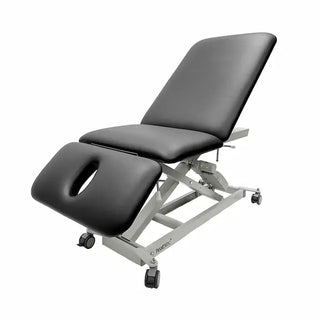
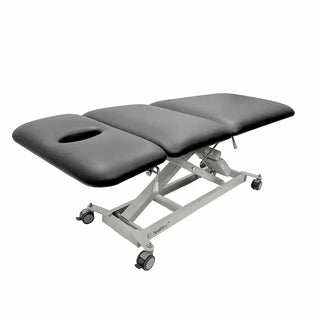
Clinton Industries 81200 Power 500 Shrouded Power Table
-
Electric height adjustment goes from about 21 inches all the way up to 34 inches using a hands-free foot control, so the therapist can shift the table height right in the middle of treatment without breaking the manual touch with the patient.
-
The pneumatic adjustable backrest lifts from flat to roughly 80 degrees which makes it possible to switch quickly and smoothly between lying down, reclined, and sitting positions—especially important for post- op patients, breathing difficulty management, and exercise progressions.
-
A 72-inch length plus 27-inch width padded top includes an ultra-firm 2-inch foam layer with seamless rounded corners, this gives a steady surface that feels good and is easy to sanitize across a full range of patient sizes.
-
Designed for a 500-pound rated weight capacity under standard clinical use , so it supports most of the patients typically seen in everyday outpatient physical therapy.
-
An ABS plastic shroud covers the heavy-duty welded lift mechanism, keeping the look tidy and professional and also helping prevent any patient contact with moving mechanical parts.
-
The whole system can be operated from either side of the table using dual foot controls, which means the therapist can stay oriented where they are, and doesn’t need to move just to tweak the table height.
Clinton Industries 80399 Power XL 600 Open Base Power Table
-
An extended height window, from 18 inches to 35 inches gives you this really wide adjustment range—works great for little pediatric patients at the low end, and also for tall or bariatric patients, where a higher working position helps cut down therapist back strain, kinda makes a difference in long sessions.
-
With a 600-pound weight capacity, this unit is basically meant for bariatric populations and busy clinical settings where you need to safely cover the full spectrum of patient body types without compromises.
-
The 30-inch wide padded top gives you more lateral surface area than the typical 27-inch models, so broader patients get more comfort and security. It also helps with those more complex positioning needs during treatment, you know, the stuff that can be finicky.
-
A pneumatic adjustable backrest can rise internally to 80 degrees, allowing smoother, vibration-free positioning. It’s designed so it doesn’t disrupt manual therapy techniques, nor does it mess with patient relaxation while you’re treating.
-
The drop section can lower up to 80 degrees from flat, which is useful for specialized approaches, like prone hip extension, traction-style setups, and targeted lower extremity mobilization procedures, so you can adapt more easily.
-
There’s an open H-leg base with a scissors-lift mechanism that keeps the area under the table clear and unobstructed. That helps when using wheelchairs, walkers, and other assistive devices during transfers, plus it allows the therapist to stand closer without dealing with annoying foot clearance limits.
-
Built with a durable, heavy-duty steel frame, hardened steel bolts, and self-lubricating pivot bearings, all fabricated in the USA, which should support long-term structural integrity despite the ongoing mechanical stresses of daily clinical use.
Electric Tilt Tables for Neurological and Orthostatic Rehabilitation
Tilt tables hold a kind of unique and crucial role in physical therapy, especially in neurological rehabilitation, that cardiology-adjacent PT area, and vestibular therapy too. The fact that they can smoothly and safely move a patient from a fully flat, horizontal posture into a vertical, load-bearing position while watching their body’s reaction in real time, and keeping total safety control the whole time, makes the electric tilt table pretty much an irreplaceable device. It’s used for orthostatic intolerance therapy, for rebuilding lower limb weight-bearing endurance after long days of bed rest, and also for checking vestibular performance.
Electric Professional 10925 Tilt Table
-
Motorized smooth tilt that starts full vertical, 90 degrees , then eases down to 12 degrees below the horizontal , giving this thing a rather exceptionally broad set of positioning angles for graduated orthostatic tolerance practice, neurological checking , and spasticity management routines.
-
Supports up to 250 pound weight capacity on a 28-inch by 78-inch upholstered surface , so it fits a standard patient range across neurological, cardiology, and vestibular rehab needs.
-
Three wide safety straps hold the person in place firmly across the chest , pelvis, and knees during the tilting shift, so safety is maintained across the whole range of travel, without blocking blood flow or making irritating pressure spots.
-
A metal walk-off footplate sized 14 inches by 17 inches offers stable , slip-resistant footing while the patient is upright, allowing partial and full weight-bearing , all while the patient stays secured to the table surface.
-
Four 4-inch swivel casters with step-on locking controls let you move it around the clinic , then lock it solid for treatment, preventing table drift during use.
-
A quiet, vibration-free electric motor , paired with pneumatic assist , allows careful positional changes without startling patients, keeping that calm controlled clinical atmosphere that neurological and vestibular rehabilitation really depends on.
Fixed-Height Treatment Tables: Reliable, Affordable Clinical Workhorses
Not every clinical application needs electric height adjustment. There’s also fixed-height treatment tables, which give you something durable and relatively inexpensive , along with a very robust option, especially in spaces where a normal working height suits most patients and procedures. A lot of sports medicine training rooms, athletic taping stations, and high-volume outpatient clinics go for fixed-height setups for a reason that’s pretty simple it usually means reliability, easier sanitation, and a long service life without the worries of mechanical maintenance, so it just kind of keeps moving.
Pivotal Health NSK Wood Treatment Table
-
This is one of those pretty robust fixed-height treatment tables, with an industry-leading 800 pound weight capacity, so it can safely handle basically the full range of patient body types you see in real active clinical practice, day after day.
-
The No Shin Kick (NSK) base design uses an inset lower frame, it gives unobstructed clearance for the therapist’s feet and lower legs when you work close to the table. It is kind of a practical ergonomic thing, that helps prevent that painful leg contact during manual therapy or when you’re positioning the patient on the bedside.
-
A 70-degree manual lift back with six position elevations, lets you cover a lot of patient positioning needs… from flat supine through reclined, semi-reclined, and then into seated. So you can support different treatment techniques without having to do any electric height adjustment.
-
There’s also a 45-degree split leg section, which adds even more versatility for lower extremity assessment, traction type positioning, and functional exercise setups where each leg really needs independent placement.
-
The legs are solid hardwood, with a partial H-brace construction. On top you get a 3/4-inch plywood top plus a 2-inch high-density foam cushion. Together they’re meant to bring real structural strength and clinical comfort, built for heavy daily use without flexing, wobbling, or slowly degrading over time.
-
At the head end there are two integrated shelves. They’re there so you can store therapeutic tools, supplies, and modality equipment right within arm’s reach of the treating therapist, which is honestly convenient when you’re moving fast.
-
Finally, the table is a fixed 31-inch working height. It works well with standard athletic training room setups, and it’s especially useful for taping, bracing, and manual interventions where a consistent predictable working height really matters operationally.
Pivotal Health Premium Wood Treatment Table
-
The 550-pound rated weight capacity on a 30-inch wide by 78-inch long surface, gives you plenty of room, and some load tolerance for a broad clinical patient base.
-
Premium solid wood build , with stronger joint reinforcement than entry level fixed-height tables, meaning better steadiness and longer life in these busy high frequency use settings.
-
A fixed 31-inch working height with a professional upholstery finish keeps it looking polished in the clinic , while still giving a firm and stable treatment surface for manual therapy, exercise, and assessment work.
Taping and Athletic Training Tables
Athletic taping tables are purpose-made for the kind of demands you see in sports medicine and athletic training rooms, and honestly it’s not just a generic piece of furniture. Their standardized height , reinforced construction and streamlined look make it easier to do efficient, consistent taping and bracing tasks even when you’re dealing with large groups of athletes in those tight pre practice , pre game time windows that are so common in athletic training settings. So when you’re setting up a high school athletic training room , a collegiate sports medicine center, or even a professional sports facility, these purpose built tables help the overall flow move faster, can lessen therapist fatigue, and they give that firm platform that precise taping technique needs to work right.
-
Standardized athletic training table heights, usually around 30 to 31 inches , let athletic trainers tape ankles knees and wrists while standing straight up , so there’s less bending or stooping. That kind of posture , over a career, is what tends to trigger persistent back strain.
-
The reinforced tabletop construction is rated for 350 pounds or more , so it can handle the full-body load of athletes who are sitting , lying down , and also shifting positions throughout the whole treatment and assessment process.
- A streamlined design with no mechanical components at all cuts down the cleaning minutes and also gets rid of likely mechanical failure points. This really matters in high-volume athletic settings, where tables might be used by dozens of athletes every single day.
- The upholstery , in a high-durability vinyl , resists tearing. It also resists adhesive residue that comes from athletic tape, plus it stands up to repeated wash downs with athletic disinfectant solutions, so you keep a professional look even during constant heavy use.
Choosing the Right Physical Therapy Table for Your Practice
Choosing the right physical therapy table for your practice, it really starts with looking at who you see every day, your practice volume, the space you have, and also what your therapists actually need day to day. After that, the next steps kind of fall into place, though it may feel a bit, messy at first. Here are the key points that will help you land on the best fit for your setting:
- Patient Population and Weight Capacity: Try to match the table’s rated limit to the real patient range you treat. For most regular outpatient clinics, a 500-pound capacity is usually enough. But bariatric-focused clinics, inpatient rehab departments, and busy community practices often should move up to models rated at 600 pounds or more, like the Clinton Industries 80399 Power XL 600.
- Height Adjustment Needs: If your practice serves patients with limited mobility, uses multiple treatment approaches at different working heights, or you’re focused on protecting therapist ergonomics, then electric hi-lo tables are basically the go-to clinical norm. Fixed-height tables work well when you’re doing lots of taping sessions, athletic training work, or more exercise-centered routines, where the height doesn’t need to shift constantly.
- Specialized Clinical Applications: Neurological rehab programs, plus facilities handling orthostatic intolerance, dysautonomia, or post-ICU deconditioning, should plan for a tilt table as part of their setup. The Electric Professional 10925 has the functional options and safety support that this kind of patient population tends to require.
- Durability and Maintenance: Wood-built fixed-height tables generally deliver strong durability and keep mechanical upkeep pretty low. Electric power tables, on the other hand, tend to need periodic checking of lift components and control systems. So, think about what your facility can realistically manage for upkeep before deciding between the mechanical and non mechanical routes.
-
Workspace and Workflow: Open-base designs like the Clinton 80399 Power XL 600, tend to maximize floor clearance and easy access for feet and trolleys, honestly the vibe is more practical. Then there are shrouded base designs like the Clinton 81200 Power 500, which look more polished and, at the same time help shield the lift mechanism from incidental bumps and small debris, so everything stays smoother.
Why Order Physical Therapy Tables from MediDepot?
MediDepot is a trusted American professional medical supply source, kinda committed to helping physical therapy clinics, rehabilitation departments, sports medicine facilities, and chiropractic practices get the equipment they need to deliver really exceptional patient care. Our physical therapy table selection includes items from well-known manufacturers like Clinton Industries and Pivotal Health Solutions, these are brands with solid track records for quality, durability, and real clinical performance. When you place an order with MediDepot you get quick shipping across the continental United States , plus access to our customer service team that actually knows the products and can help you with selection guidance. You also get that quiet confidence that comes from working with a medical supply professional who’s dedicated to clinical equipment. So whether you are setting up one new treatment room, or outfitting an entire rehabilitation facility, MediDepot is the professional go-to for physical therapy tables that hold up when your patients need them most .
Frequently Asked Questions
-
What is the difference between a Hi-Lo table and a fixed-height table? A fixed-height table remains at a single, stationary level (typically around 30-31 inches). They are highly durable, budget-friendly, and often include storage cabinets. An electric Hi-Lo table uses a motorized lift system to raise and lower the treatment surface. This is crucial for safely transferring mobility-impaired patients and allowing the therapist to adjust the height for different manual techniques, preventing back strain.
-
Are physical therapy tables eligible for the ADA Tax Credit? Yes, many electric Hi-Lo treatment tables meet the requirements of the Americans with Disabilities Act (ADA) by lowering to a height of 17-19 inches. Small businesses purchasing these tables may qualify for the IRS Section 44 Disabled Access Credit, which can cover up to 50% of the equipment cost. Consult your tax advisor for specific eligibility.
-
What weight capacity should I look for in a treatment table? A standard high-quality fixed-height or hi-lo therapy table typically supports a safe working load of 400 lbs. For bariatric clinics or facilities treating heavier athletes, you should opt for bariatric models that support 500 lbs to 800 lbs safely.
-
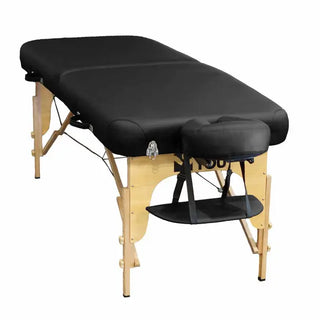
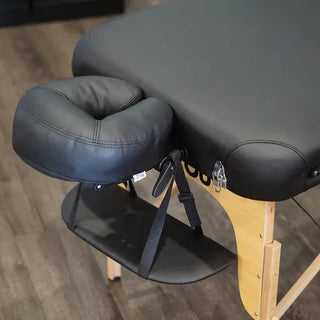
Can I use a physical therapy table for massage? Yes. While massage tables usually feature a face cradle (face hole) for prone positioning, many physical therapy tables also come with optional face cutouts. However, PT tables generally have firmer, higher-density foam than spa massage tables because they need to provide resistance for physical manipulation and chiropractic adjustments.
-
What is the best way to clean the upholstery on therapy tables? Use a mild soap and water solution or a healthcare-grade disinfectant wipe formulated specifically for medical vinyl. Avoid using harsh chemicals with high concentrations of bleach or alcohol, as these can prematurely dry out and crack the upholstery, compromising infection control.