


If you need a Summit medical refrigerator under or near a counter, the key decision is not only size, it is installation type. Choose ACR31W/ACR32G for freestanding placement, and choose ACR51W/ACR52G when you need a front-breathing built-in undercounter medical refrigerator.
This focused buyer’s guide compares four of the most practical Summit EQTemp ACR models for clinics, pharmacies, school health rooms, and compact healthcare spaces: ACR31W, ACR32G, ACR51W, and ACR52G. We’ll cover installation type, capacity, glass vs solid door, NSF/ANSI 456 options, temperature monitoring, left-hand door swing options, and common buying mistakes that can lead to wrong-order risk.
This cluster guide supports our main Summit hub article: Summit Medical Refrigerators: EQTemp ACR Guide. Use that article for the full ACR lineup. Use this one when your real decision is: “Do I need freestanding or built-in undercounter?”
Compliance note: This content is informational only. Always confirm final storage requirements with your facility policy, state/local program rules, product IFU, and manufacturer specifications before purchasing.
Quick Start: Browse Summit Undercounter Options
Already know you need Summit EQTemp? Start with the Summit collection, then use this guide to decide between freestanding ACR31/32 and built-in ACR51/52 models.
Who this guide is for
Clinic owners, pharmacies, physician offices, school nurse rooms, and procurement teams comparing compact Summit medical refrigerators for undercounter, near-counter, or tight-space cold storage.
What this guide does
Compares Summit ACR31W, ACR32G, ACR51W, and ACR52G by installation type, capacity, door style, NSF/ANSI 456 options, left-hand door swing availability, and best use case so you can avoid buying a freestanding unit when you actually need a built-in undercounter model.
Table of Contents
- Quick Answer: Which Summit Undercounter Model Should You Choose?
- Standard ACR Product Cards
- ACR31W vs ACR51W: The Main Difference
- ACR32G vs ACR52G: Glass Door Models Compared
- Built-In vs Freestanding: Why It Matters
- NSF/ANSI 456 Versions: When Do You Need Them?
- NSF/ANSI 456 Product Cards by Installation Type
- Solid Door vs Glass Door for Clinics and Pharmacies
- Best Summit Undercounter Model by Facility Type
- Temperature Monitoring, Locks, and Workflow Features
- LHD Door Swing Options
- Common Buying Mistakes
- Ordering Summit Undercounter Refrigerators from MediDepot
- Smart Solutions
- Explore Related MediDepot Guides
- External References
- Frequently Asked Questions
Quick Answer: Which Summit Undercounter Model Should You Choose?
The fastest way to choose is to start with placement. If the refrigerator will sit near a counter with open ventilation around it, ACR31W or ACR32G may be the better fit. If the refrigerator will be built into cabinetry or placed under a counter, choose ACR51W or ACR52G because those models are designed for built-in undercounter use.
| Need | Best Summit Model | Why |
|---|---|---|
| Lowest-cost solid door freestanding unit | ACR31W | Solid door, slim 19-inch class footprint, freestanding placement |
| Freestanding with inventory visibility | ACR32G | Glass door helps staff check inventory before opening the unit |
| Built-in undercounter solid door | ACR51W | 24-inch wide built-in format with solid door |
| Built-in undercounter glass door | ACR52G | Built-in undercounter format plus visual inventory checks |
| NSF/ANSI 456 required | Choose the matching NSF456 suffix model | Best fit when vaccine program or procurement policy requires certified storage |
| Left-hand door swing required | Choose the matching LHD suffix model | Best fit when walls, cabinetry, or workflow make left-hand access easier |
Standard ACR Product Cards
Freestanding Standard Options

Summit ACR31W
Best for: freestanding solid-door medical storage.
A practical choice for clinics that want a slim, solid-door Summit medical refrigerator near a counter, not built into cabinetry.

Summit ACR32G
Best for: freestanding glass-door visibility.
Good for staff workflows where visual inventory checks reduce unnecessary door openings.
Built-In Undercounter Standard Options

Summit ACR51W
Best for: built-in undercounter solid-door installation.
The best standard shortlist when the unit will sit under a counter or within clinic cabinetry.

Summit ACR52G
Best for: built-in undercounter glass-door installation.
Ideal when the practice needs both built-in placement and quick visual checks.
ACR31W vs ACR51W: The Main Difference
The core difference between ACR31W vs ACR51W is installation. Both are solid-door Summit EQTemp medical refrigerators, but they are not interchangeable from a placement standpoint.
ACR31W is the better fit when you need a slim, freestanding unit placed near a counter, in a nurse station, clinic back room, or small medication storage area. It gives you medical refrigeration features in a narrow footprint without requiring a full 24-inch built-in space.
ACR51W is the better fit when you are designing or updating built-in clinic cabinetry. It is the correct shortlist for a pharmacy counter, exam room undercounter space, lab bench, or medication station where the refrigerator must sit flush within a casework layout.
| Spec / Decision Point | ACR31W | ACR51W |
|---|---|---|
| Placement | Freestanding | Built-in undercounter capable |
| Door | Solid | Solid |
| Capacity | 3.17 cu.ft. | 3.88 cu.ft. |
| Width class | 19-inch class | 24-inch class |
| Best use case | Tight floor space or near-counter placement | Pharmacy counter, clinic cabinetry, exam room built-in install |
Bottom line: ACR31W is not “worse” than ACR51W; it is built for a different placement. The wrong choice happens when a buyer puts a freestanding model into a built-in cabinet space. If the unit is going under a counter as part of cabinetry, ACR51W is the safer option.
ACR32G vs ACR52G: Glass Door Models Compared
ACR32G and ACR52G are the glass-door counterparts to the solid-door models above. The same installation logic applies: ACR32G is the freestanding glass-door choice, while ACR52G is the built-in undercounter glass-door choice.
The main advantage of a glass door is workflow visibility. Staff can check whether a medication bin, tray, or vaccine box is inside without opening the refrigerator. In busy clinics, that can reduce “search opens” and help staff move faster.
The tradeoff is that some inventory may benefit from reduced light exposure or a more discreet solid-door environment. When light sensitivity, privacy, or visual clutter matters, a solid-door model may be more appropriate.
| Spec / Decision Point | ACR32G | ACR52G |
|---|---|---|
| Placement | Freestanding | Built-in undercounter capable |
| Door | Glass | Glass |
| Capacity | 3.17 cu.ft. | 3.88 cu.ft. |
| Best use case | Freestanding placement with visibility | Built-in placement with visibility |
Built-In vs Freestanding: Why It Matters
This is the most important buyer decision in this cluster blog. A built-in medical refrigerator is designed to operate in an enclosed or semi-enclosed installation with proper front ventilation. A freestanding model is designed to operate with clearance around the cabinet and should not be squeezed into cabinetry unless the manufacturer explicitly allows that installation.
Incorrect installation can affect heat dissipation, temperature stability, compressor workload, service life, and warranty expectations. For healthcare cold storage, these risks matter because your refrigerator is not just storing drinks, it may be storing medications, vaccines, specimens, or temperature-sensitive clinical supplies.
Choose ACR31W / ACR32G when:
- The refrigerator will sit near a counter, not inside cabinetry.
- You need a slimmer 19-inch class footprint.
- Your room allows freestanding ventilation clearance.
- You want a cost-conscious clinic refrigerator for small-volume storage.
Choose ACR51W / ACR52G when:
- The refrigerator will be installed under a counter.
- The unit must integrate with cabinetry or a pharmacy counter.
- You need a 24-inch wide built-in healthcare refrigerator.
- You want slightly more capacity and better cabinetry compatibility.
👉 Explore Related Post: Before You Buy: Medical Equipment Voltage Compatibility, Plug Types & Electrical Requirements
NSF/ANSI 456 Versions: When Do You Need Them?
Summit offers NSF/ANSI 456 suffix versions of many ACR models. For this specific undercounter cluster, the key models are ACR31WNSF456, ACR32GNSF456, ACR51WNSF456, and ACR52GNSF456.
If your vaccine program, procurement policy, or state/local compliance checklist requires NSF/ANSI 456-certified storage, choose the NSF456 version of the matching model rather than the standard ACR version. In other words, first choose placement and door type, then choose the NSF456 suffix if certification is required.
| Standard Model | NSF/ANSI 456 Version | Best For |
|---|---|---|
| ACR31W | ACR31WNSF456 | Freestanding solid-door vaccine storage |
| ACR32G | ACR32GNSF456 | Freestanding glass-door vaccine storage |
| ACR51W | ACR51WNSF456 | Built-in solid-door undercounter vaccine storage |
| ACR52G | ACR52GNSF456 | Built-in glass-door undercounter vaccine storage |
👉 Explore Related Post: Summit Medical Refrigerators: EQTemp ACR Guide
NSF/ANSI 456 Product Cards by Installation Type
If NSF/ANSI 456 certification is required, choose the certified version that matches your installation type first: freestanding models for open placement, or built-in models for undercounter cabinetry.
Freestanding NSF/ANSI 456 Options

Summit ACR31WNSF456
Best for: freestanding solid-door vaccine storage.
Choose this model when you need NSF/ANSI 456 alignment in a slim, freestanding solid-door configuration.

Summit ACR32GNSF456
Best for: freestanding vaccine storage with visibility.
A strong choice when staff needs quick visual inventory checks plus NSF/ANSI 456 certified configuration.
Built-In Undercounter NSF/ANSI 456 Options
Use these models when vaccine storage must be integrated into clinic cabinetry, a pharmacy counter, or another true built-in undercounter installation.

Summit ACR51WNSF456
Best for: built-in solid-door vaccine storage.
Best shortlist when vaccine storage must be built into clinic or pharmacy cabinetry while maintaining a solid-door configuration.

Summit ACR52GNSF456
Best for: built-in vaccine storage with visibility.
A strong option when a clinic needs both undercounter integration and glass-door workflow visibility.
Solid Door vs Glass Door for Clinics and Pharmacies
Door type affects workflow every day. For Summit ACR31/32/51/52 models, the decision is simple: choose W models for solid doors and G models for glass doors.
| Door Type | Choose When | Best Models |
|---|---|---|
| Solid door | Better for light-sensitive inventory, privacy, and reduced visual clutter | ACR31W, ACR51W |
| Glass door | Better for fast inventory checks and staff workflow visibility | ACR32G, ACR52G |
| Solid + NSF456 | Compliance-focused vaccine or medication storage with reduced visibility | ACR31WNSF456, ACR51WNSF456 |
| Glass + NSF456 | Compliance plus visibility needed | ACR32GNSF456, ACR52GNSF456 |
Best Summit Undercounter Model by Facility Type
Different facilities have different space, compliance, and workflow needs. Use this shortlist to narrow the decision before requesting a quote.
| Facility | Recommended Shortlist | Reason |
|---|---|---|
| Small physician office | ACR31W or ACR32G | Slim freestanding footprint for small rooms |
| Pharmacy counter | ACR51W or ACR52G | Built-in undercounter installation |
| School nurse room | ACR31WNSF456 or ACR32GNSF456 | Freestanding vaccine-oriented storage options |
| Vaccine program | Matching NSF456 version | Choose certification suffix if required by program or policy |
| Built-in clinic cabinetry | ACR51W / ACR52G or NSF456 equivalents | Designed for undercounter built-in planning |
| Tight floor space | ACR31W / ACR32G | 19-inch class freestanding footprint |
| Wall-adjacent installation | Matching LHD version if needed | Left-hand swing can improve access in tight layouts |
Temperature Monitoring, Locks, and Workflow Features
Across this Summit EQTemp group, the practical workflow features matter as much as the dimensions. Buyers should evaluate temperature display, alarms, locks, monitoring access, door swing, and the need for external data logging before purchasing.
External Temperature Readout
External temperature display helps staff check cabinet conditions without opening the door. That supports workflow discipline and reduces unnecessary exposure to room temperature.
Locks and Access Control
Factory-installed locks are important for medication, vaccine, and controlled inventory workflows. For deeper planning, read: Medical Refrigerator Locks: Optional or Essential?
Probe Access and Monitoring
Monitoring readiness matters for clinics and pharmacies that use digital data loggers or external monitoring systems. For a full monitoring workflow, read: Medical Refrigerator Temperature Monitoring Guide
LHD Door Swing Options
Many Summit ACR models are also available in left-hand door swing (LHD) versions. Door swing should be decided before purchase, not after the refrigerator arrives. If the unit sits against a wall, beside casework, or inside a built-in counter layout, the wrong hinge orientation can create awkward access, slower workflow, and staff frustration.
Freestanding LHD Options
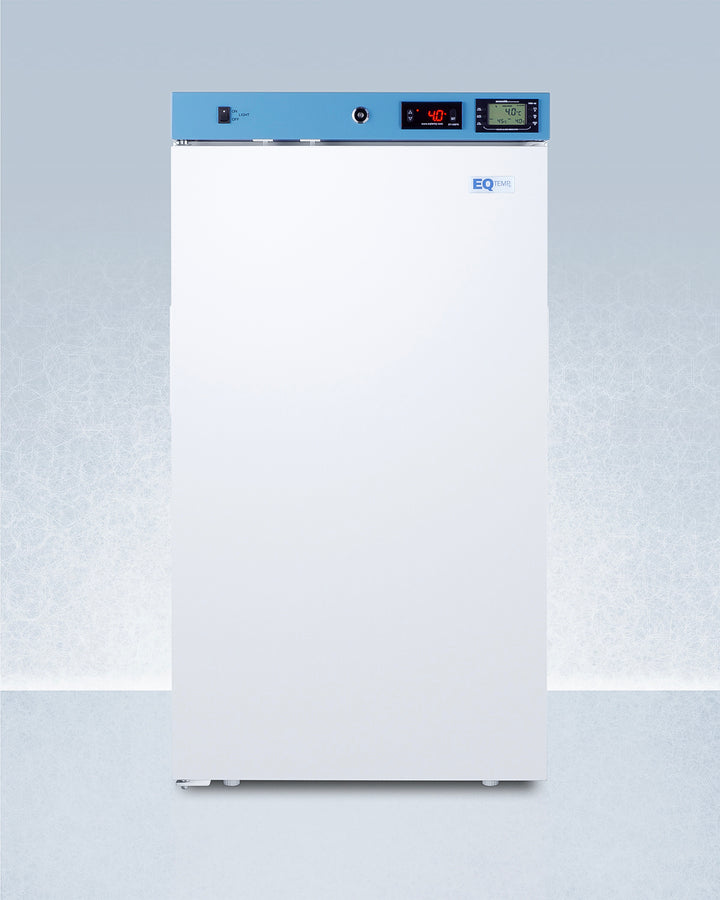
Summit ACR31WLHD
Best for: freestanding solid-door storage with left-hand door swing.
A practical choice when you need the compact footprint of the ACR31W, but your room layout works better with a left-hinged door.
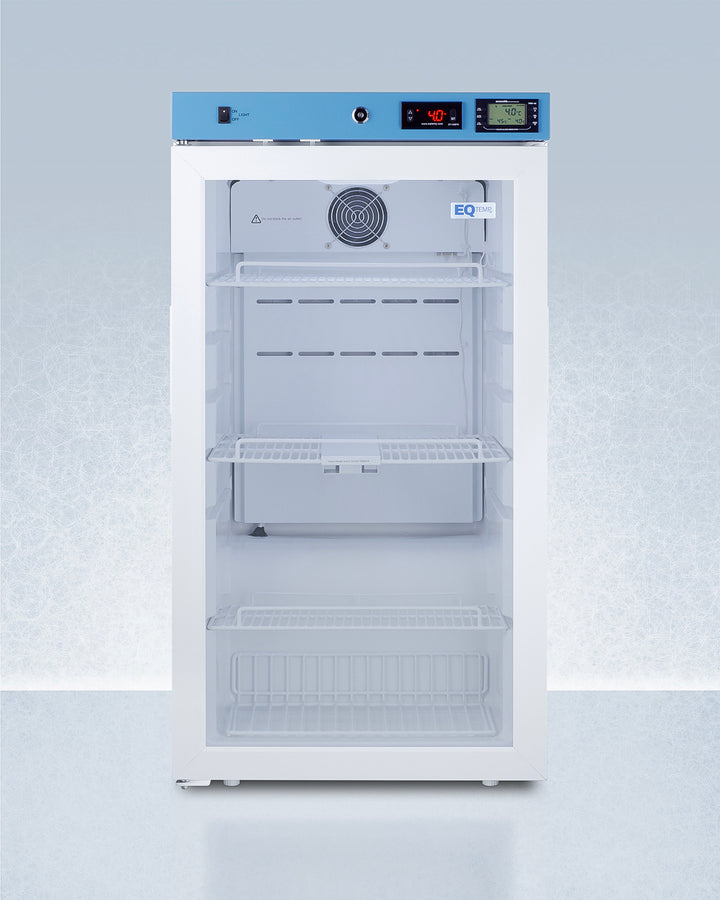
Summit ACR32GLHD
Best for: freestanding glass-door storage with left-hand door swing.
A strong option when staff wants glass-door visibility, but the surrounding walls or furniture make a left-hand swing more ergonomic.
Built-In Undercounter LHD Options
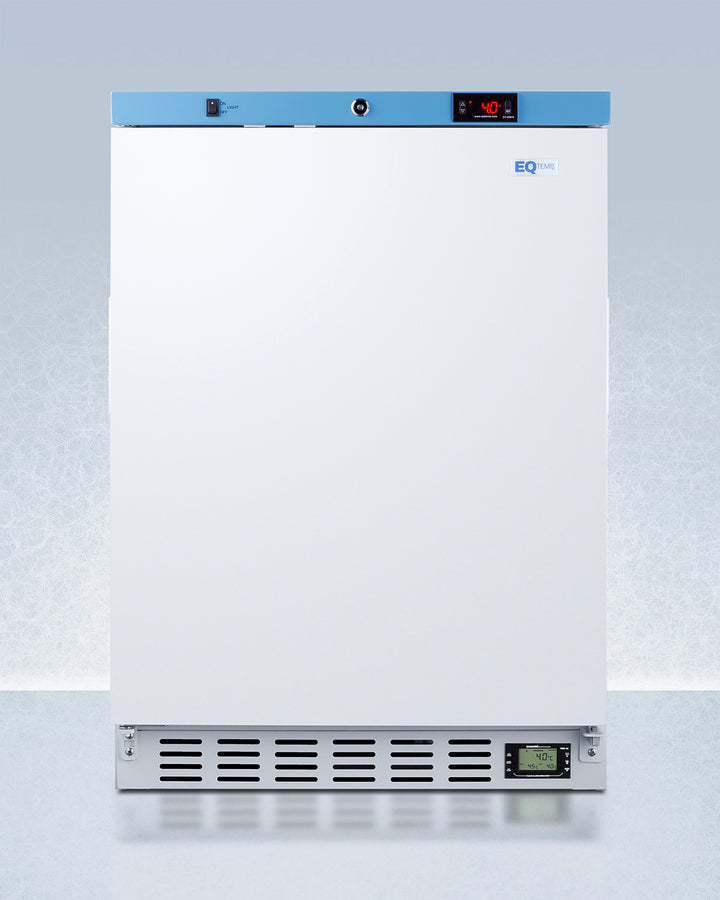
Summit ACR51WLHD
Best for: built-in undercounter solid-door storage with left-hand door swing.
Ideal for clinic or pharmacy cabinetry layouts where a built-in unit is required and the left-hand swing improves counter-side access.
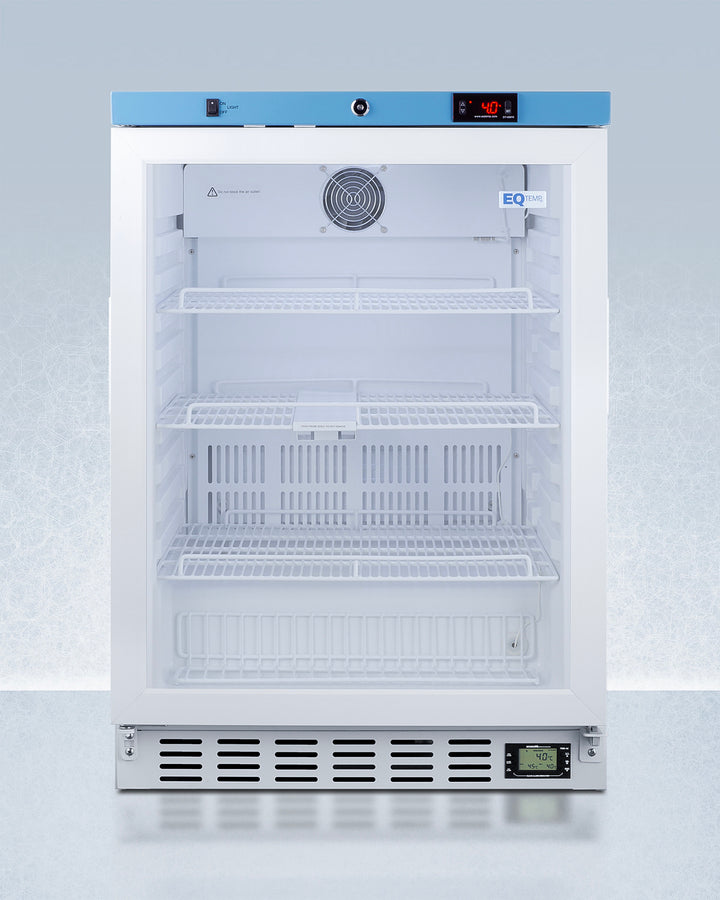
Summit ACR52GLHD
Best for: built-in undercounter glass-door storage with left-hand door swing.
A good fit when a facility needs undercounter integration, inventory visibility, and a left-hand swing to match room constraints.
Common Buying Mistakes
1. Using a freestanding model as if it were built-in
This is the biggest mistake in this category. If the unit will be placed inside cabinetry or under a counter, choose ACR51W or ACR52G instead of forcing a freestanding model into the wrong environment.
2. Not checking NSF/ANSI 456 requirements before purchase
If a vaccine program or procurement policy requires NSF/ANSI 456-certified storage, buying the standard ACR model first can create a mismatch. Decide whether certification is required before ordering.
3. Choosing only by capacity
ACR51W/52G have more capacity than ACR31W/32G, but capacity is not the only difference. Installation type and door style are often more important.
4. Forgetting temperature monitoring
External data logging, probe access, alarm routing, and recordkeeping may be required depending on what you store. Do not treat monitoring as an afterthought.
5. Choosing glass without considering light sensitivity
Glass improves visibility, but solid doors may be better for items that benefit from reduced light exposure or privacy.
6. Checking door swing too late
Door swing affects daily usability. Confirm right-hand vs left-hand swing before purchase, especially for undercounter or wall-adjacent installations. If your counter or wall layout favors left-hand access, shortlist the matching LHD model early.
Ordering Summit Undercounter Refrigerators from MediDepot
MediDepot can help you compare standard, NSF456, and LHD Summit ACR configurations for clinics, pharmacies, school health programs, and compact healthcare storage rooms. Before requesting a quote, prepare three details: placement type, door preference, and certification requirement.
Quick Quote Checklist
- Will the unit be freestanding or built into cabinetry?
- Do you prefer solid door or glass door?
- Is NSF/ANSI 456 required by your vaccine program or policy?
- Do you need right-hand or left-hand door swing?
- Will you use an external digital data logger?
Smart Solutions
Need Help With Budget, Coverage, or Peace of Mind?
If you’re outfitting multiple clinic rooms or standardizing cold storage across locations, these pages can help you plan smarter.
Explore Related MediDepot Guides
- Summit Medical Refrigerators: EQTemp ACR Guide
- Medical Refrigerator Temperature Monitoring Guide
- Medical Refrigerator Locks: Optional or Essential?
- Navigating CDC Vaccine Storage Requirements
- Medical Equipment Voltage Compatibility, Plug Types & Electrical Requirements
External References
- Summit Appliance — ACR31W product specifications
- Summit Appliance — ACR51W product specifications
- Summit Appliance — ACR32G product specifications
- Summit Appliance — ACR52G product specifications
- Summit Appliance — EQTemp NSF/ANSI 456 certified vaccine refrigeration
Frequently Asked Questions
Q1: Is ACR51W better than ACR31W?
ACR51W is not automatically better; it is better for built-in undercounter installation. ACR31W is better when you need a slimmer freestanding solid-door model near a counter or in a tight room.
Q2: Can ACR31W be built into cabinets?
ACR31W is best treated as a freestanding model. If your installation requires cabinetry or true undercounter placement, choose ACR51W or ACR52G instead.
Q3: What is the difference between ACR31W and ACR32G?
Both are 3.17 cu.ft. freestanding 19-inch class Summit EQTemp medical refrigerators. ACR31W has a solid door; ACR32G has a glass door for visual inventory checks.
Q4: What is the difference between ACR51W and ACR52G?
Both are 3.88 cu.ft. built-in undercounter 24-inch class Summit EQTemp models. ACR51W has a solid door; ACR52G has a glass door.
Q5: Which Summit model is best for vaccines?
If your vaccine program requires NSF/ANSI 456-certified storage, choose the NSF456 suffix version of the model that matches your placement and door preference, such as ACR31WNSF456, ACR32GNSF456, ACR51WNSF456, or ACR52GNSF456.
Q6: Do I need NSF/ANSI 456 for a Summit medical refrigerator?
You may need NSF/ANSI 456 if your vaccine program, procurement policy, or state/local checklist requires certified vaccine storage. Confirm requirements before ordering.
Q7: Are Summit ACR refrigerators suitable for pharmacies?
Yes, Summit ACR medical refrigerators are commonly considered for medication and healthcare cold storage. Pharmacies should choose based on placement, door type, monitoring needs, and any applicable certification requirements.
Q8: Should I choose glass door or solid door?
Choose glass if fast inventory visibility is important. Choose solid if light control, privacy, or reduced visual clutter is more important.
Q9: Do Summit undercounter medical refrigerators have locks?
Summit EQTemp ACR medical refrigerators include locking features designed for secure healthcare storage. Confirm the exact lock configuration on the product page before ordering.
Q10: Do these models support 2°C to 8°C vaccine storage?
These Summit EQTemp ACR models are designed for the 2°C to 8°C healthcare refrigeration range. For vaccine programs requiring certified storage, choose the matching NSF456 version and confirm all program requirements before purchase.
Q11: What does LHD mean on Summit ACR models?
LHD means left-hand door swing. These models are useful when walls, cabinetry, counters, or room flow make a left-hinged door easier for staff to access.
Q12: Which Summit LHD model should I choose?
Choose ACR31WLHD or ACR32GLHD for freestanding placement. Choose ACR51WLHD or ACR52GLHD when you need a built-in undercounter model with left-hand door swing.
Need Help Choosing the Right Summit Undercounter Model?
If you’re deciding between ACR31W vs ACR51W, glass vs solid door, standard vs NSF/ANSI 456, or right-hand vs left-hand door swing, request a quote with your installation plan and storage requirements.
*All technical specifications and workflow recommendations reflect general laboratory practice guidance. Always follow your manufacturer's Instructions for Use (IFU), your facility's Standard Operating Procedures (SOPs), and any applicable regulatory requirements for your sample type and application.
**Reviewed for workflow practicality by MediDepot Clinical Support Team. Always follow manufacturer instructions and your facility protocol.
***Disclaimer: This content is for informational purposes only and does not constitute medical advice. Always consult your physician, healthcare provider, or qualified medical professional before using any medical products or following health-related guidance. MediDepot products do not diagnose, treat, cure, or prevent any medical condition.