




Start With Two Questions
Buying a wheelchair comes down to two decisions, and almost every specification follows from them. First: who moves the chair? If the occupant propels it with their arms, that is a manual chair; if a motor does it, a power chair; if someone else pushes, a transport chair. Second: what size and capacity does the user need? Seat width, seat depth and weight capacity decide fit, and fit decides whether the chair gets used.
Everything below is organised around those two questions. If you already know the answers, go straight to the collection that matches. If you do not, the sizing guide linked at the foot of this page walks through the measurements with a tape measure.
Choose by Who Moves the Chair
| Type | Who propels it | Typical weight | Browse |
|---|---|---|---|
| Manual | The occupant, via hand rims | 25 to 50 lb | Manual Wheelchairs |
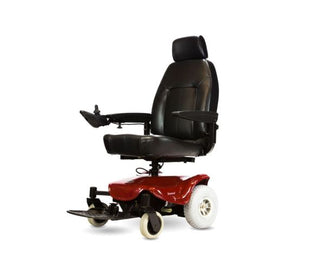
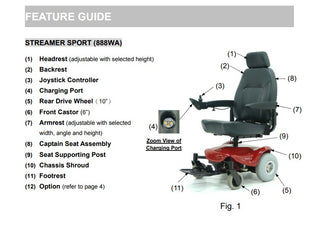
| Power and electric | A motor, via joystick | 50 to 250 lb | Power & Electric Wheelchairs |
| Transport | An attendant, always | 19 to 35 lb | Transport Wheelchairs |
This first choice is worth getting right, because it is hard to reverse. A transport chair bought for someone who could have propelled themselves removes an independence they had. A self propelling chair for someone who will always be pushed adds weight and folded width that nobody uses.
Then Choose by Size, Weight and Posture
- Standard Wheelchairs: the default manual chair, usually 16 to 20 inch seats on a steel frame. The right starting point when nothing unusual applies.
- Lightweight Wheelchairs: aluminium and carbon frames for a chair that is lifted into a car regularly, or propelled all day by the user.
- Bariatric Wheelchairs: 20 to 30 inch seats at 450 to 700 lb capacity. Both specifications have to be met, not just one.
- Reclining Wheelchairs: backs that open to 150 or 180 degrees with elevating legrests, for long sitting hours or carer access.
- Pediatric Wheelchairs: 12 to 18 inch seats built to be adjusted as the child grows, including tilt-in-space positioning frames.
The Cushion Is Part of the Chair
A wheelchair seat is a sling, not a surface. For anyone sitting in it for more than an hour or two at a time, the cushion is what protects the skin, and it is specified with the chair rather than added afterwards. Cushion thickness changes seat to floor height, which changes footrest setting and how far the user reaches to the hand rims, so the two decisions are connected.
Browse Wheelchair Cushions for gel, foam and air cell options including ROHO, and Wheelchair Accessories for trays, bags, legrests, anti-tippers and replacement wheels.
Frequently Asked Questions
What seat width do I need?
Measure hip width while seated at the widest point, then add about one inch in total for clothing and movement. Too wide is as much of a problem as too narrow, because the user loses the lateral support they brace against and tends to sit crooked.
What is the difference between a transport chair and a wheelchair?
A transport chair has four small wheels and no hand rims, so the occupant cannot move it themselves. Removing the large rear wheels removes weight, folded width and cost, and removes independence. Some chairs convert between the two.
Manual or power?
Upper body function and daily distance decide it. A manual chair needs shoulders that can take repeated propulsion, which over years is itself a source of injury. A power chair removes that load and adds weight, charging, transport difficulty and cost.
How much does a wheelchair weigh?
A steel standard chair sits around 35 to 50 lb, aluminium lightweight chairs around 25 to 35 lb, and ultra lightweight rigid frames below that. Power chairs start near 50 lb for a folding travel model and run far higher for full size frames. The figure matters most to whoever lifts it into a car.
Will the chair fit through my doorway?
Overall width is roughly the seat width plus eight to ten inches for the wheels and frame. Measure the narrowest doorway in the house, not the front door, and remember that turning into a doorway needs more clearance than passing straight through one.
What do K0001 to K0007 mean?
They are HCPCS billing codes that classify manual wheelchairs by weight and adjustability. K0001 is a standard chair, K0004 high strength lightweight, K0005 ultra lightweight and fully adjustable, K0007 heavy duty bariatric. Useful shorthand for the class of chair even outside an insurance claim.
Do you supply facilities and care homes?
Yes. Volume pricing, quotes and financing are available on facility orders. Use the quote link below and include seat widths, capacities and quantities.
MediDepot Purchasing Advantages
- Price Match Guarantee: found the same model for less elsewhere? We will match the verified price.
- Equipment Financing: available on larger facility orders.
- Extended Warranty: coverage on frames and folding mechanisms beyond the manufacturer term.
- Military Discount: available for qualifying military medical facilities and personnel.
- Request a Quote: seat width and capacity matching, folded dimensions and volume pricing.
Related Buying Guides
- Manual Wheelchair Sizing Guide
- Manual vs Electric Power Wheelchairs
- 2026 Guide to Buying Mobility Aids
- How to Clean and Maintain Your Mobility Aid


