




Electrophoresis, Thermal Cyclers, Blotting and Gel Documentation
This collection covers the nucleic acid and protein workflow end to end: thermal cyclers for amplification, horizontal and vertical electrophoresis systems for separation, western transfer and staining for protein work, transilluminators and imaging for visualisation, plus the agarose, buffers and consumables that feed all of it. IBI Scientific and Benchmark Scientific Accuris supply most of the range, alongside Jordan Scientific, Jeio Tech, Oxford Lab Products and Scilogex.
Two structural choices define what equipment a lab needs here. The first is horizontal versus vertical electrophoresis: horizontal agarose gels for nucleic acids, vertical polyacrylamide gels for proteins. They are not alternatives to each other, they run different molecules on different gel chemistries. The second is throughput and resolution, which determines whether a mini system is adequate or a high-resolution long-format rig is required.
→ Part of Laboratory. Also see Electrophoresis Equipment, Hoods & PCR Workstations, Pipettes & Tips and Lab Centrifuges.
Horizontal or Vertical Electrophoresis?
Horizontal systems run agarose gels submerged in buffer and are used for DNA and RNA. Vertical systems run polyacrylamide gels between glass plates and are used for proteins and for high-resolution nucleic acid work. Most molecular labs need both.
| Format | Gel | Runs | Typical Use |
|---|---|---|---|
| Horizontal, submerged | Agarose | DNA, RNA | PCR product checks, restriction digests, plasmid work |
| Vertical, slab | Polyacrylamide | Proteins, small nucleic acids | SDS-PAGE, western blot preparation, sequencing gels |
Mini horizontal systems
For routine gel checks where speed matters more than resolution, a mini gel runs in twenty minutes rather than an hour. Options include the Accuris myGel mini system, the myGel InstaView, which lets you view the gel as it runs without moving it to a transilluminator, and the IBI JSB-30 Mini Gel-O. For more samples per run, the Jordan JSB-302 double wide and the JSB-96 ultra wide.
Multi-purpose and high-resolution horizontal
Longer gels give better separation between similarly sized fragments, because the bands have more distance over which to separate. The IBI range steps up through the MP-1015 multi-purpose system, the HR-2025 high resolution and the HR-2525. For screening large numbers of samples quickly, the QS-710 Quick Screen and the Lab Pal dual gel system, which runs two gels at once.
Replacement tanks are stocked separately for most systems, including the MP-1015, HR-2025, HR-2525, QS-710 and Lab Pal. Tanks crack, and a replacement tank costs far less than a new system.
Vertical systems
The IBI VCV single slab vertical and the Jordan JVD-80 dual slab. For sequencing-format work, the IBI vertical sequencer system, with 0.2 mm and 0.4 mm comb and spacer sets, wedge spacers and replacement glass plates.
Power supplies
Every system needs one. The Accuris myVolt mini power supply suits mini gels; the Jeio Tech EPS-300 at 100 to 240V covers larger systems. The Jeio Tech EP-18 is a complete unit.
Thermal Cyclers for PCR
A gradient thermal cycler applies different annealing temperatures across the block in a single run, so a primer pair can be optimised in one experiment instead of several. For any lab designing new primers, that feature saves more time than any other on the instrument.
Options include the Benchmark TC-9639 gradient thermal cycler, the TC-96 Turbo 2D gradient cycler with a two-dimensional gradient, and the TC-32 mini for small runs and teaching. The MultiCycler multi-block cycler runs independent protocols in separate blocks at the same time, which suits a shared instrument in a busy lab where waiting for someone else's run is the bottleneck.
PCR reagents and kits
The Accuris high fidelity PCR for applications where amplification errors matter, such as cloning and sequencing; the one-step RT-PCR kit for RNA templates in a single reaction; the fast extraction PCR kit; and dNTPs.
PCR consumables and organisation
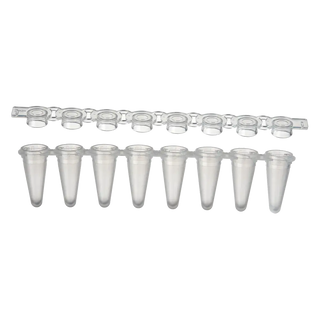
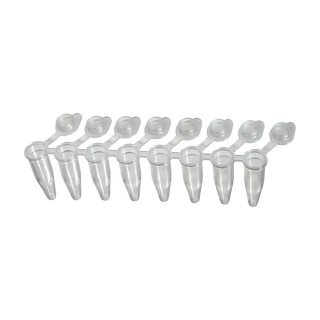
Oxford OptiMate PCR and qPCR strip tubes, plus a PCR tube tray caddy and a PCR hood organizer for keeping a dedicated setup area tidy. Keeping PCR setup physically separate from amplified product is the single most effective contamination control measure in a PCR lab, and organisation is part of that. See Hoods & PCR Workstations.
Western Blot Transfer and Protein Work
After a protein gel runs, the proteins must be transferred to a membrane before antibody detection, and there are two ways to do it: wet tank transfer and semi-dry transfer.
Wet transfer is slower, uses more buffer and generally gives more reliable transfer of large proteins. Semi-dry transfer is much faster and uses far less buffer, which suits routine work and higher throughput, though very large proteins can transfer less efficiently. Which suits you depends on the size range you work in and how many blots you run.
Available systems: the IBI western transfer system, the western transfer module, and the Jordan semi-dry blotter in 16x16 cm and 24x30 cm sizes. For the staining step, the IBI immunoblotter staining chamber.
Mini protein systems
The IBI MagElin range covers protein gel work: the MagElin mini protein system, the precast mini gel system for labs buying gels rather than casting them, the 2-place gel casting fixture for those who cast, and a replacement gel capture device.
Gel Visualisation: Blue Light or UV?
UV transilluminators are the traditional method and damage DNA. Blue light transilluminators do not, which matters when the band you are looking at is going to be cut out and used downstream.
If you are excising a band for cloning, sequencing or any subsequent enzymatic step, UV exposure introduces nicks and dimers that reduce how well that DNA performs afterwards. Blue light with a compatible stain avoids that entirely. UV also requires eye and skin protection for the operator, which blue light does not. For gel documentation where nothing is recovered, UV remains perfectly adequate and gives strong signal with ethidium bromide.
Options: the Accuris SmartBlue blue light transilluminator and Accuris UV transilluminators. For imaging and record-keeping, the SmartDoc imaging enclosure shields ambient light so a phone or camera can capture a usable gel image.
Agarose and Buffers
Agarose type is chosen by fragment size range and by what happens to the band afterwards. Using standard agarose where a specialist type is needed costs you resolution or recovery.
- LE agarose: the general-purpose standard for routine DNA separation.
- Low melt agarose: melts at a low enough temperature that a gel slice can be liquefied without denaturing DNA, so bands can be excised and the DNA recovered or used directly in downstream reactions.
- 3:1 agarose: formulated for resolving small fragments, where standard agarose cannot separate closely sized bands.
- HR high resolution PCR-grade agarose: for the finest separations.
- EZ-Pack agarose tablets: pre-measured, which removes weighing from gel preparation.
QuickSilver powdered buffer packs remove the stock solution step from buffer preparation. Also stocked: the Scilogex 8-position auto cell changer and a cell culture plate organizer.
Frequently Asked Questions
What is the difference between horizontal and vertical electrophoresis?
Horizontal systems run agarose gels submerged in buffer and are used for DNA and RNA. Vertical systems run polyacrylamide gels cast between glass plates and are used for proteins and for high-resolution nucleic acid work such as sequencing gels. They are not substitutes for each other: the gel chemistry, the format and the molecules they separate are all different. Most molecular labs need both.
When do I need a high-resolution electrophoresis system rather than a mini gel?
When you need to distinguish fragments of similar size. Separation improves with gel length because bands have more distance over which to diverge, so a long-format system resolves what a mini gel shows as one band. For routine checks, confirming a PCR product is roughly the right size, a mini gel is faster and entirely adequate. Match the system to whether you are confirming or measuring.
What does a gradient thermal cycler do?
It applies a range of annealing temperatures across the block simultaneously, so a single run tests multiple temperatures for the same primer pair. Primer optimisation that would otherwise take several sequential runs happens in one. For any lab designing new primers regularly, it is the feature that pays for itself fastest.
Blue light or UV transilluminator?
Blue light does not damage DNA, so it is the right choice when a band will be excised for cloning, sequencing or any downstream enzymatic step, since UV exposure introduces nicks and dimers that reduce how well the recovered DNA performs. Blue light also removes the eye and skin protection requirement for the operator. UV remains adequate for documentation where nothing is recovered from the gel.
What is the difference between wet and semi-dry western transfer?
Wet tank transfer submerges the gel and membrane in buffer and runs longer, generally giving more reliable transfer of large proteins. Semi-dry transfer uses buffer-soaked filter paper and completes much faster with far less buffer, which suits routine work and higher throughput, though very large proteins may transfer less efficiently. Choose by the size range you work in and how many blots you run.
Which agarose type should I use?
LE agarose is the general-purpose standard for routine DNA work. Use low melt agarose when you will excise a band and recover the DNA, since the gel slice can be melted without denaturing it. Use 3:1 agarose for resolving small fragments that standard agarose cannot separate. Use high resolution PCR-grade for the finest separations. Using standard agarose where a specialist type is needed costs resolution or recovery.
What is low melt agarose for?
It melts at a temperature low enough that a gel slice can be liquefied without denaturing the DNA inside it. That allows a band to be excised and the DNA recovered, or in some protocols used directly in a downstream enzymatic reaction without a separate purification step. Standard agarose requires much higher temperatures to melt, which is why it is not used this way.
Do electrophoresis systems include a power supply?
Usually not. Tanks and power supplies are generally sold separately, so a first-time purchase needs both. Match the power supply output range to the systems it will run: a mini gel supply may not deliver enough voltage for a long-format high-resolution rig, and one supply can often serve several tanks if runs are sequential rather than simultaneous.
Are replacement electrophoresis tanks available?
Yes, for most systems in this range. Tanks are acrylic and crack, usually from a knock or from incompatible solvents, and a replacement tank costs far less than a complete system. Match the replacement to your exact model, since tank dimensions and electrode placement are system-specific.
How do I prevent PCR contamination?
The most effective single measure is physical separation: set up reactions in a dedicated area, ideally a PCR workstation, that never sees amplified product. Beyond that, use filtered pipette tips, dedicate a set of pipettes to setup only, and work in one direction from clean to amplified areas. Organisation supports this, which is why dedicated tube caddies and hood organisers exist. See Hoods & PCR Workstations and filtered tips.
MediDepot Purchasing Advantages
- Price Match Guarantee: found the same catalogue number for less elsewhere? We will match the verified price.
- Equipment Financing: useful when equipping a molecular lab bench in one purchase.
- Extended Warranty: available on qualifying instruments.
- Military Discount: available for qualifying military medical and research facilities.
- Request a Quote: system and power supply matching, consumable standing orders and spare tank supply.
Related Buying Guides
- Lab Equipment Supplier Guide: How to Evaluate Vendors
- How to Choose the Right Laboratory Incubator
- ULT Freezer vs Lab Freezer: Cost of Ownership
- Model Number Comparison Guide
- How to Verify Authorized Medical Equipment Sellers


